Oura Ring in 2026: The New ‘EHR Integration’ Explained
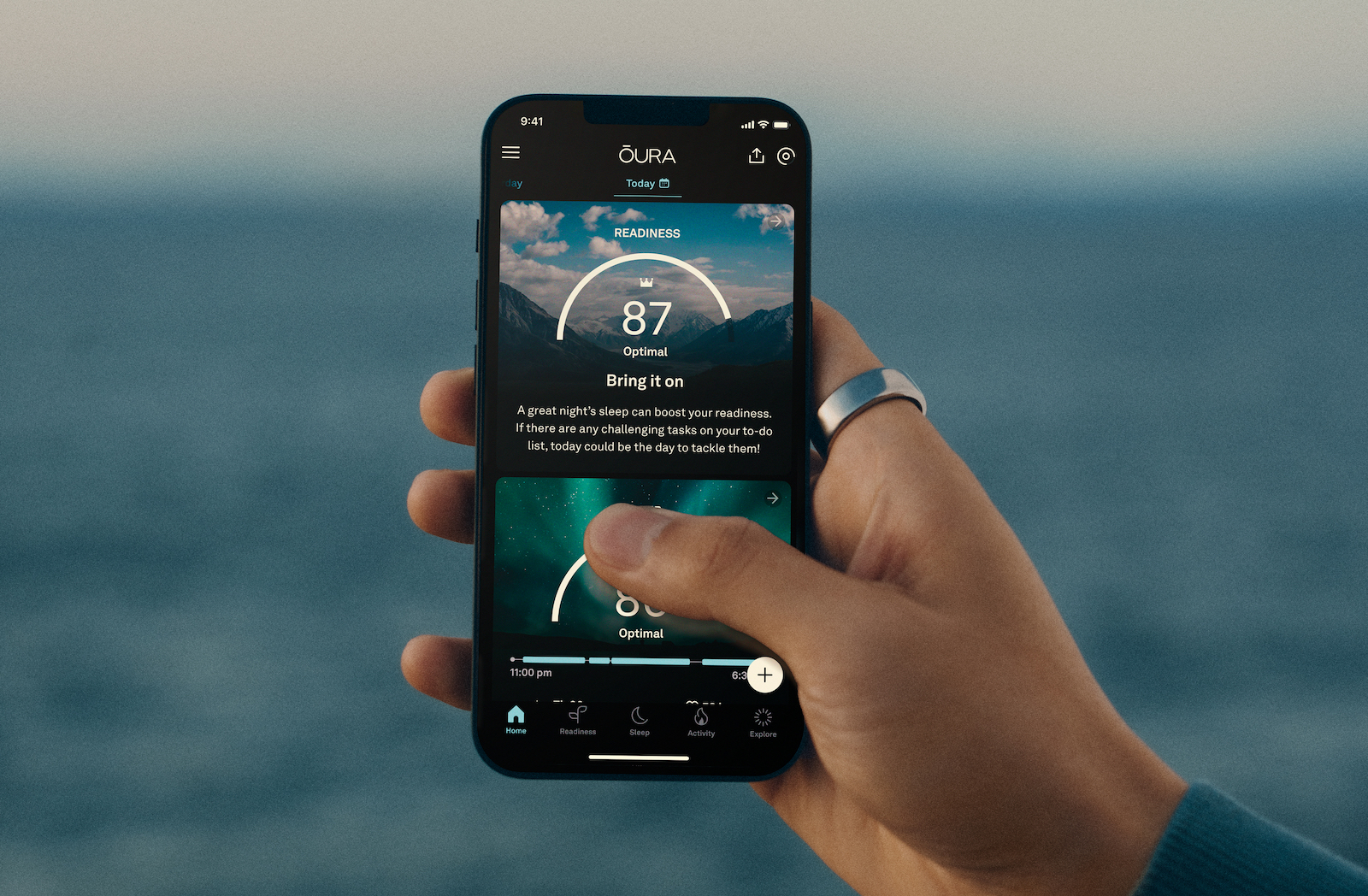
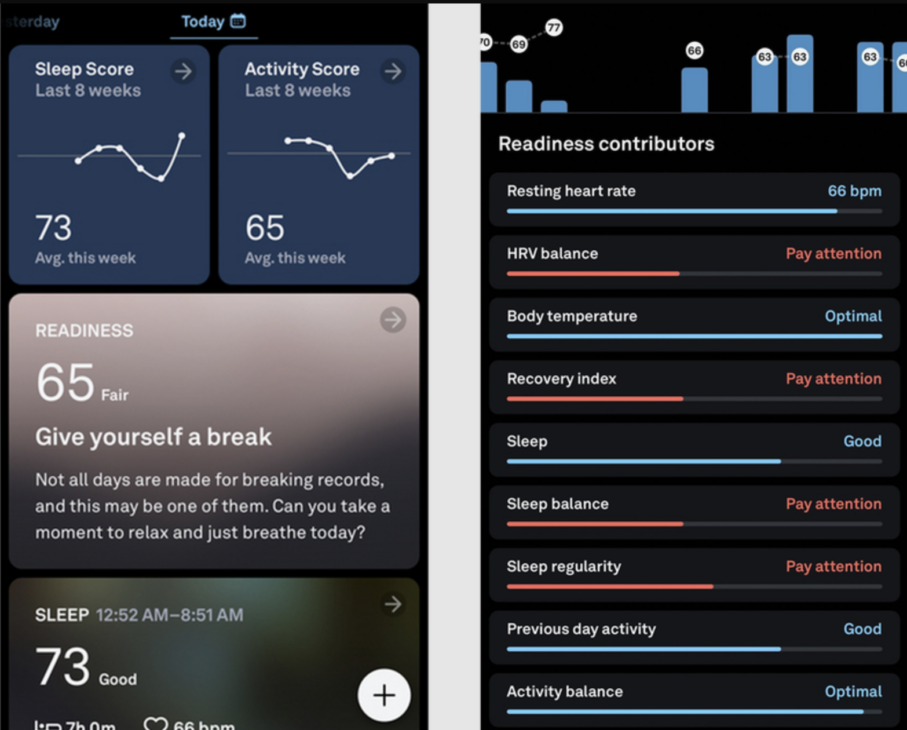
If you bought an Oura Ring back in the day, you probably used it to brag about your “Readiness Score” at brunch or to figure out exactly how much that second glass of wine destroyed your sleep. It was a personal dashboard – a secret conversation between you and your finger.
But in 2026, that conversation is getting a third wheel: your doctor.
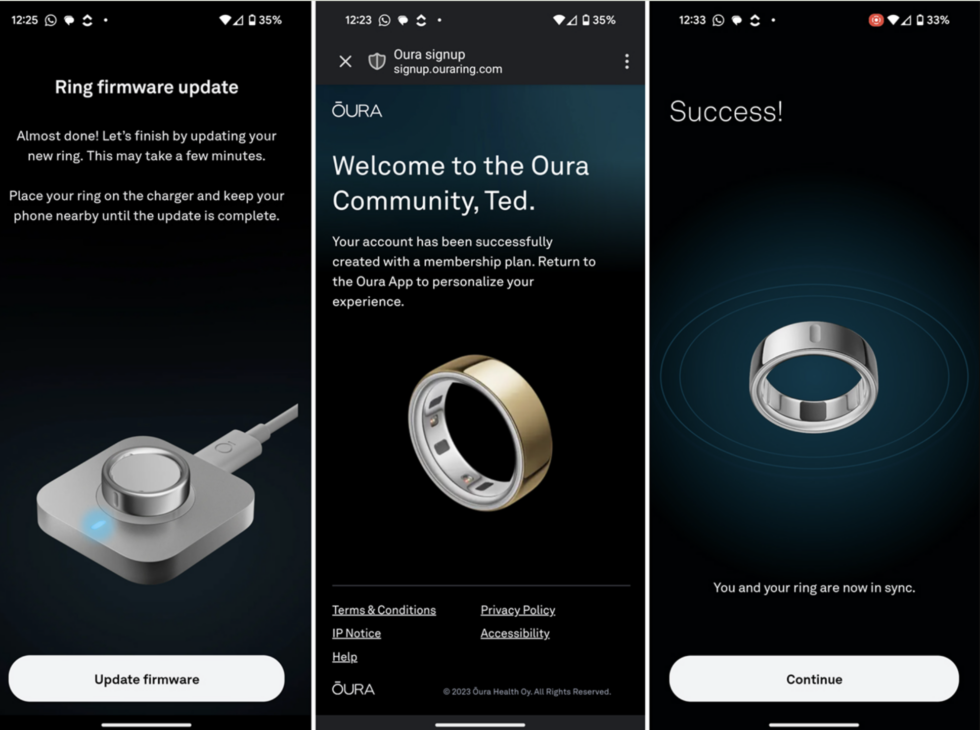
Just this week, Oura officially announced a massive partnership with Fullscript, a care platform used by over 125,000 healthcare providers. This move effectively bridges the gap between your “wellness” gadget and your official medical records (Electronic Health Records, or EHR).
Here is the breakdown of what this actually means for you, your data, and your next check-up.
The End of “Quantified Self”
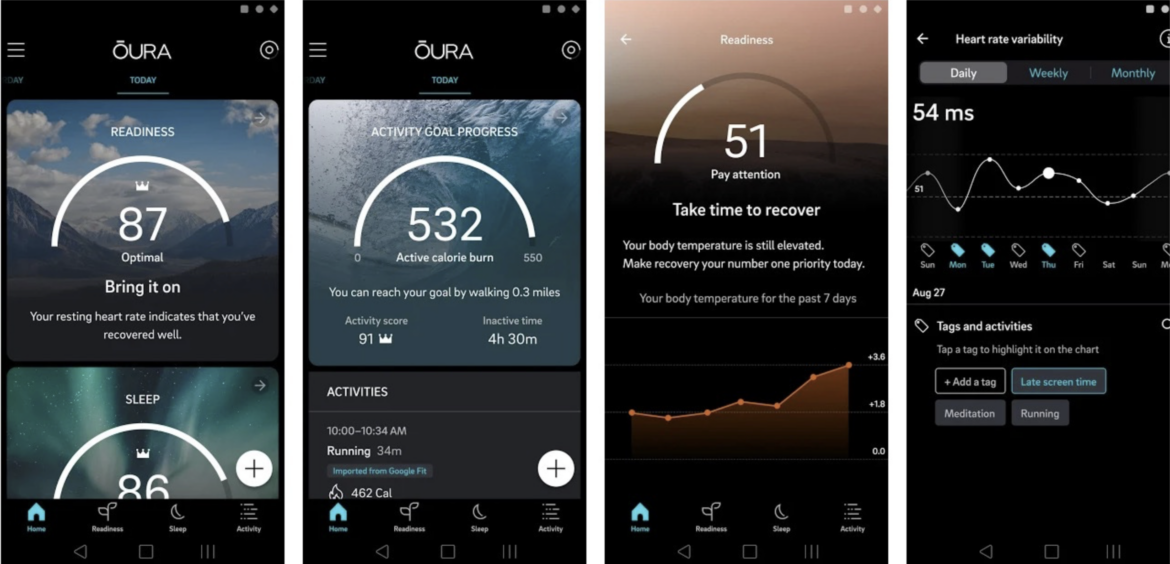
For years, we have been living in the era of the “Quantified Self” – collecting mountains of data that lived and died on our phones. You knew your Heart Rate Variability (HRV) tanked last Tuesday, but your doctor had no idea.
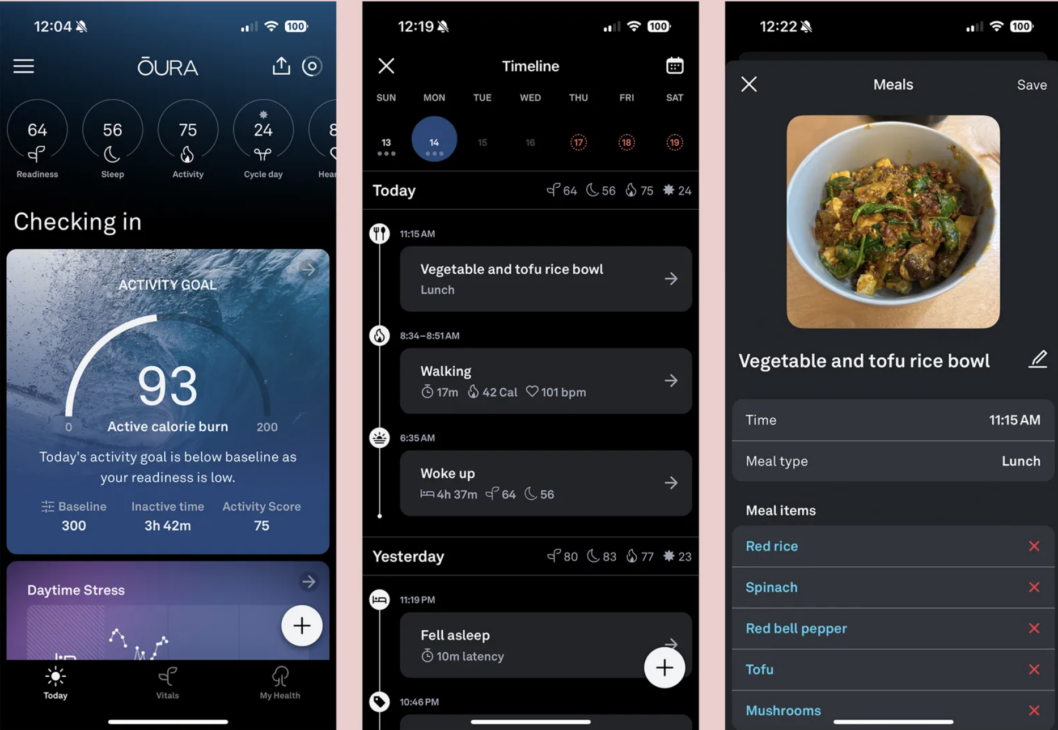
The new integration changes that. By linking Oura’s biometric data with Fullscript’s clinical platform, your doctor can now see your sleep trends, activity levels, and stress scores alongside your blood test results and supplement prescriptions.
- The Goal: Moving from “reactive” healthcare (treating you when you’re sick) to “proactive” care. Instead of asking “How have you been sleeping?”, your doctor can pull up a chart and say, “I see your deep sleep has dropped 40% since November.”
“Health Panels”: The App is the Lab
This integration didn’t happen in a vacuum. It follows the rollout of Health Panels late last year, a feature that arguably started this shift.
If you haven’t clicked that tab yet, here is what you are missing:
- Order Tests on Your Phone: You can now order comprehensive blood work (checking 50+ biomarkers like cholesterol and insulin) directly through the Oura app via Quest Diagnostics.
- AI Analysis: The “Oura Advisor” (the app’s AI chatbot) doesn’t just store the results; it contextualizes them. You can ask, “How does my sleep affect my inflammation levels?” and it uses your actual ring data to give a personalized answer.
Is This a Medical Device Now?
Technically? No. And that is by design.
The FDA has been drawing strict lines this year between “wellness trackers” and “medical devices.” By routing this data through clinicians via Fullscript rather than making direct diagnostic claims to you, Oura stays in the safe “wellness” lane while still being medically useful.
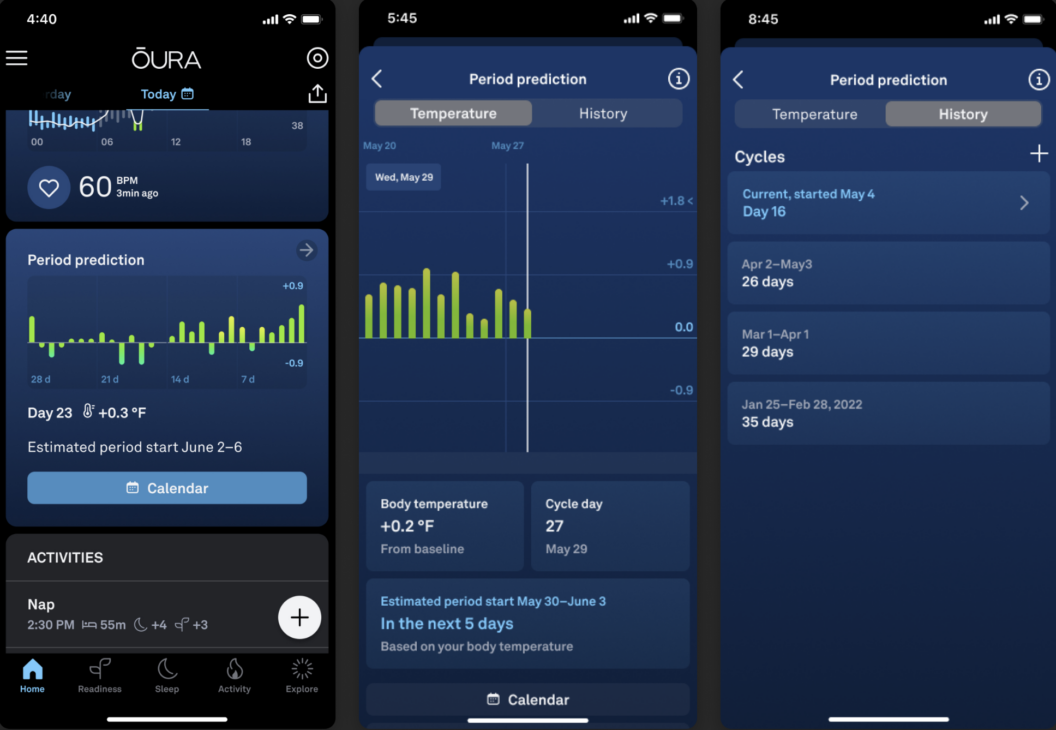
However, they are pushing the envelope. The company is actively working with the FDA on validation studies for blood pressure monitoring – a feature that uses the ring’s sensors to flag potential hypertension risks before they become emergencies.
The Privacy Question (Read This!)
“Great,” I hear you say. “Now my doctor knows I eat pizza at 2 AM.”
Before you panic, remember that this isn’t an automatic data dump. You have to opt-in. The integration requires your explicit consent to share your wearable data with your provider.
- The Good News: If you are managing a chronic condition, this transparency is a superpower. It gives your care team a 24/7 view of your health rather than a 15-minute snapshot once a year.
- The “Meh” News: If you just want to track your steps in peace, you might feel a bit pressured to “open the books” during your next visit.
The Verdict
The Oura Ring of 2026 is no longer just a fancy sleep tracker; it is becoming a legitimate clinical tool. With partnerships extending to specialized platforms like Midi Health (for women’s health) and Maven Clinic, the ring is quickly becoming the “stethoscope” of the remote care era.
If you are ready to turn your biometric data into actual healthcare, this update is a game-changer. If not? Well, you can always keep your 2 AM pizza habits between you and the app.