The ‘Digital Addiction’ Crisis: Why 2026 is the Year of the ‘Dumb’ Health App
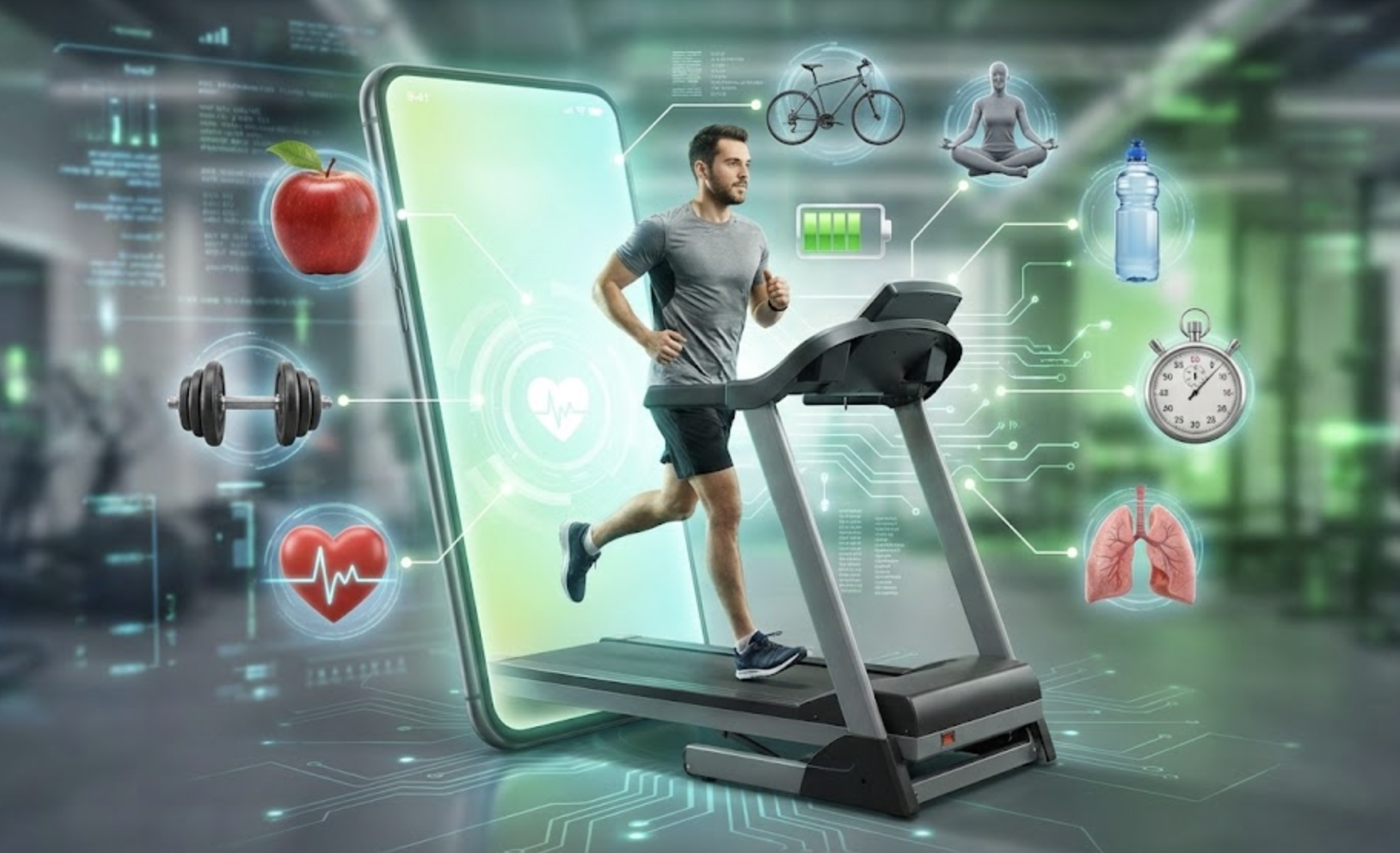
We have all been there. It is 11:30 PM, you are exhausted, but your phone just buzzed to tell you that you are “only 400 steps away from closing your rings.” So, naturally, you do laps around your kitchen island like a heavily caffeinated hamster.
For years, this “gamification” was the gold standard of fitness. But in 2026, the vibe has shifted.
The newly released Economic Survey 2026 dropped a bombshell this week, officially flagging “digital addiction” as a major public health crisis, particularly for younger generations. The report suggests that the very apps designed to make us “healthier” are actually contributing to a massive spike in anxiety and screen dependency.
The result? A mass exodus from flashy, notification-heavy apps to a new trend: the “Dumb” Health App.
Here is why your next fitness tracker might be the most boring app you ever download – and why that is a good thing.
The “Gamification” Hangover
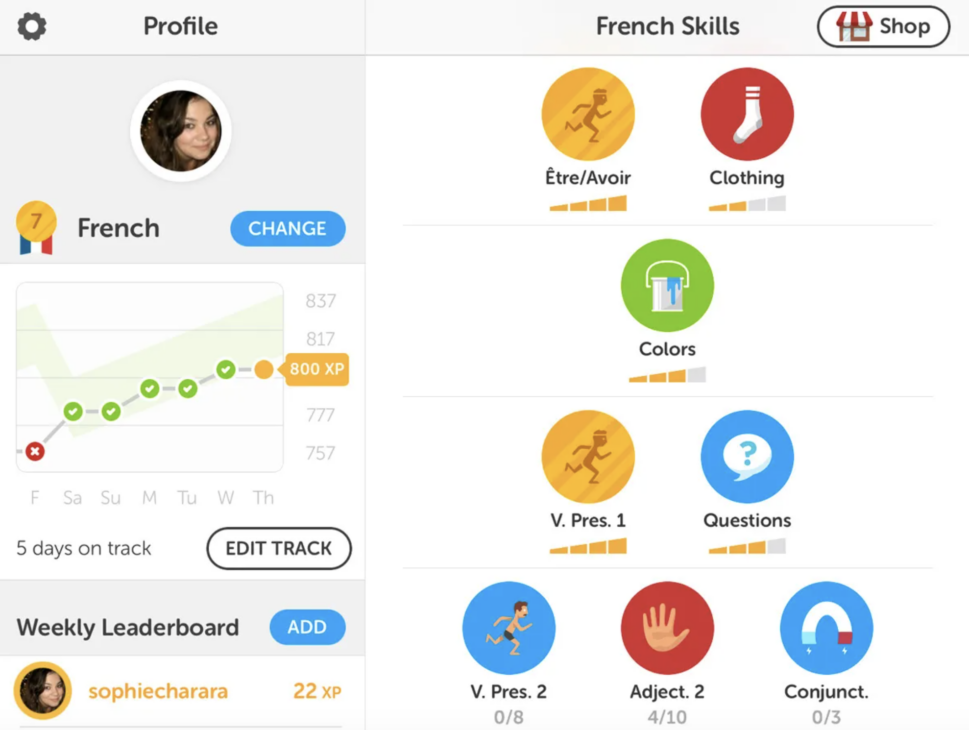
For the last decade, fitness apps treated your health like a video game. Keep your streak! Earn this badge! Beat your friend Dave!
While effective at first, the Economic Survey highlights a dark side: notification fatigue. When your “wellness” app demands as much screen time as TikTok, it ceases to be a tool and becomes a chore. Users are reporting “streak anxiety,” where the fear of breaking a digital record outweighs the actual physical benefits of the activity.
In 2026, “Health” no longer means “more data.” It means “less noise.”
Enter the “Dumb” App
The “Dumb Health App” movement is defined by passive tracking. These apps collect mountains of data but stay completely silent unless they actually have something important to say.
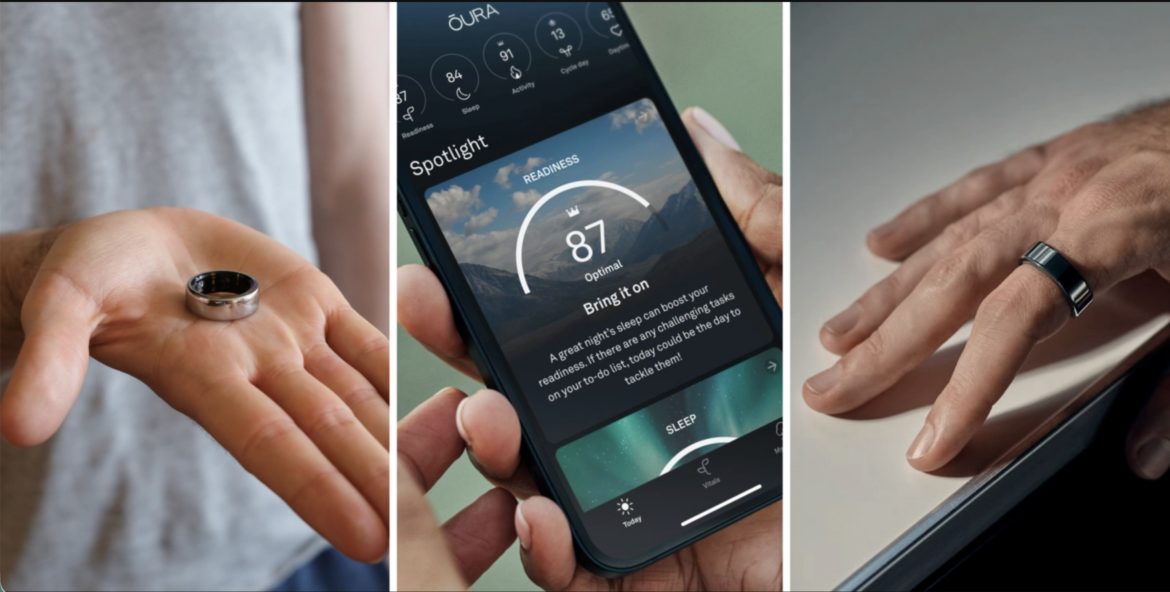
Leading the charge is the hardware. The Oura Ring 4 (which has seen a surge in popularity this winter) is the poster child for this philosophy. It has no screen. It has no vibration motors to nag you to stand up. It just sits on your finger, collecting clinical-grade heart rate and sleep data for up to 8 days on a single charge.
The companion app doesn’t ask you to “log in for points.” It simply gives you a Readiness Score in the morning and then, crucially, leaves you alone.
“Pausa” and the Art of Doing Nothing
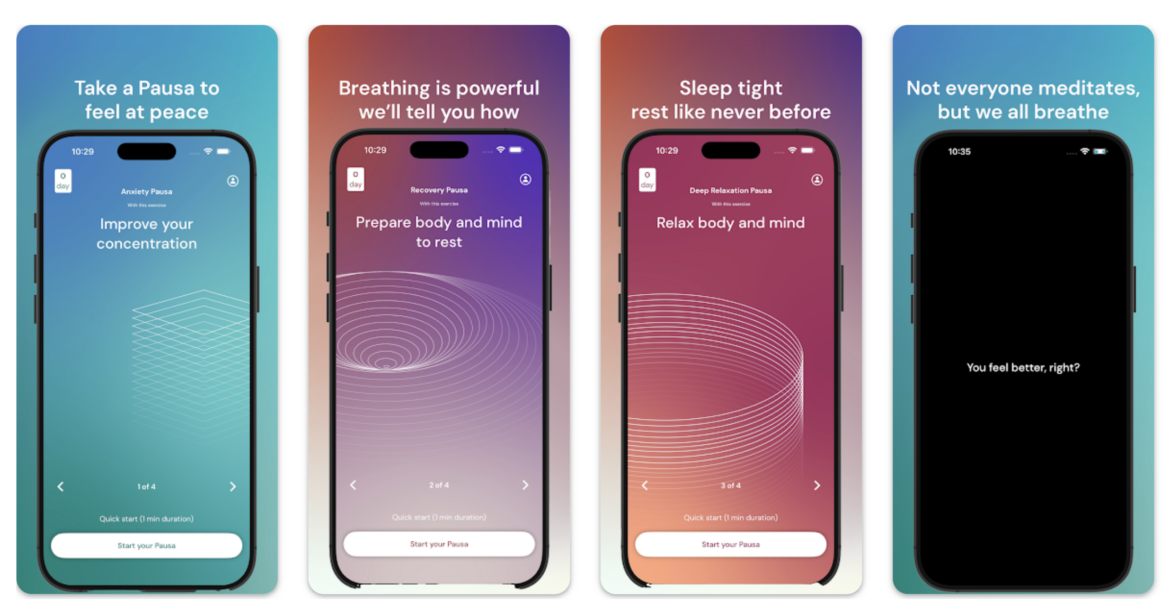
Software is following suit. One of the breakout hits of early 2026 is Pausa, an app that positions itself as the “anti-productivity” tool.
Unlike traditional trackers that push you to do more, Pausa uses AI to schedule “smart breaks” and recovery blocks. It defends your calendar against burnout. If your biometric data shows high stress, it doesn’t tell you to “push through”; it tells you to cancel your afternoon meeting and go for a walk.
It’s a radical shift: technology that uses data to give you permission to rest rather than pressure to perform.
The “Invisible” Metrics of 2026
What are these “dumb” apps actually tracking if they aren’t counting your steps? The focus has moved to internal biomarkers that you can’t easily “game”:
- HRV (Heart Rate Variability): A measure of nervous system recovery. You can’t cheat it by shaking your wrist.
- Sleep Efficiency: Not just how long you lay in bed, but how restorative that time was.
- Stress Resilience: New algorithms analyze temperature trends and pulse rates to detect illness days before you feel sick.
The Verdict
The Economic Survey 2026 is a wake-up call. We spent years inviting “coaches” into our pockets, only to realize they were actually just slot machines in disguise.
The trend for the rest of the year is clear: Invisible Tech. The best health app of 2026 is the one you open once a day, for thirty seconds, and then forget about while you go live your actual, physical life.
So go ahead, break your streak. Your cortisol levels will thank you.