Free vs. Premium: Which Fitness Apps Actually Delivered Value in 2025?

The fitness-app landscape in 2025 is bigger and more powerful than ever. Whether you’re trying to lose weight, build muscle, manage stress, or simply get moving, there’s an app for it. But with free versions on one side and premium subscriptions on the other, the big question for many users has become: Is paying actually worth it?
Now, we break down how free and premium fitness apps performed in 2025, which ones delivered real value, and what kinds of users get the most from each.
Why This Debate Matters in 2025
Fitness apps are no longer just step counters and static video libraries. Thanks to advances in personalization, AI coaching, community features, and wearable integration, many apps now deliver structured workouts, nutrition guidance, recovery tracking, smart goal setting, and performance analytics. Some for free, and others locked behind subscription paywalls. In 2025, mobile exercise apps ranked as the second biggest fitness trend, driven by user demand for accessible, data-driven workouts on the go.
That means choosing the right app isn’t just about price – it’s about what motivates you, supports your goals, and fits into your daily life.
What Free Fitness Apps Do Better
If you’re just getting started or want basic tools without a financial commitment, free fitness apps delivered solid value in 2025. They’re especially strong at:
Accessible Workouts Without Paying
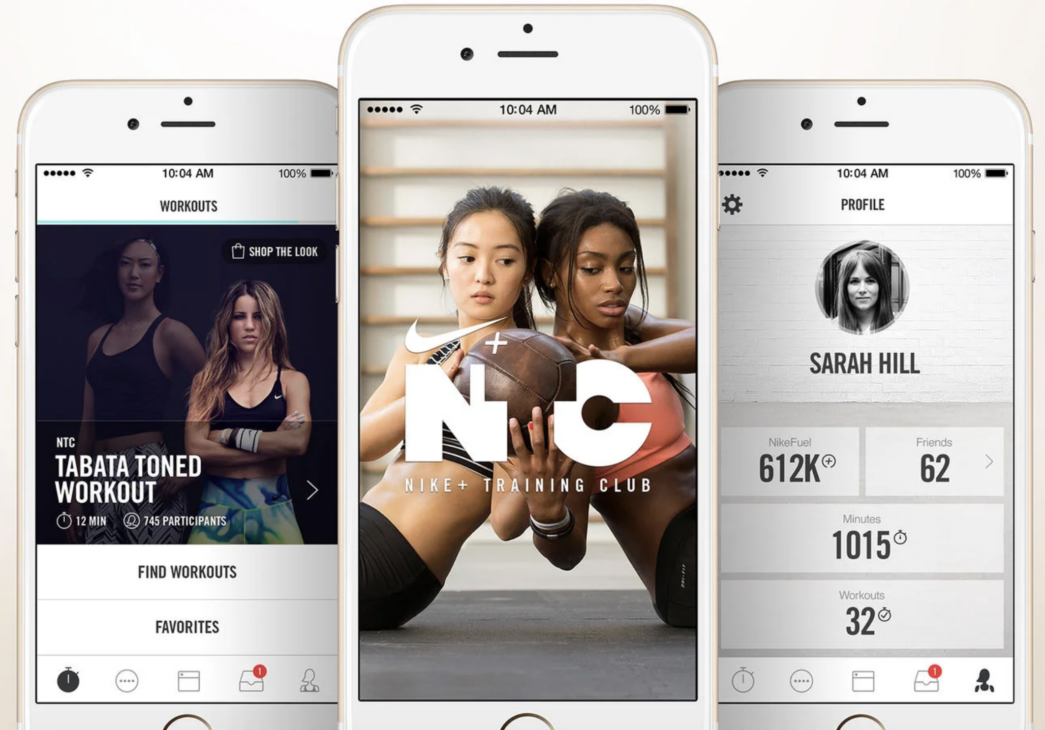
Many popular apps offer comprehensive free workout libraries. For example, Nike Training Club continues to provide a wide range of workouts for cardio, strength, yoga, and mobility – all without a subscription. Premium tiers add extras, but the free base still gives plenty for most casual users or beginners.
Basic Tracking and Motivation
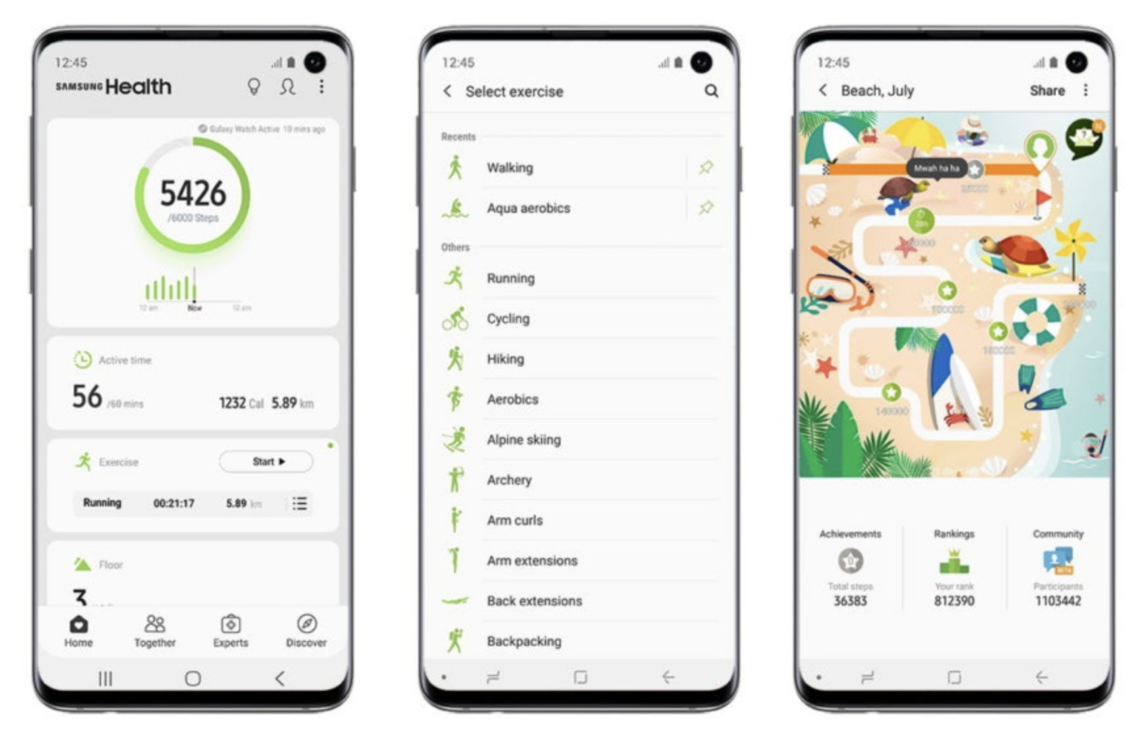
Apps like Samsung Health include free tracking for steps, heart rate, sleep, and activity patterns, and even now come with integrated guided workouts thanks to partnerships such as the one with iFIT, which adds professional classes to the platform. Users can access at least one free on-demand workout per category each month without paying.
Flexibility and Trialing Before You Buy
A free app version lets users test features, build habits, and see if a fitness routine sticks before investing in premium plans. This is great for people on a budget or those unsure about long-term fitness goals.
What Premium Fitness Apps Deliver
While free apps are great for beginners or casual users, premium apps in 2025 justified their price in several key areas:
Personalized Coaching and Advanced Programs
Premium services excel at creating workouts tailored to your specific goals, fitness level, and progress. For instance, paid versions of apps like Peloton Digital and Future offer structured training plans and even real-time coaching adjustments, something free tiers generally don’t provide.

Expert-Led Content and Community Support
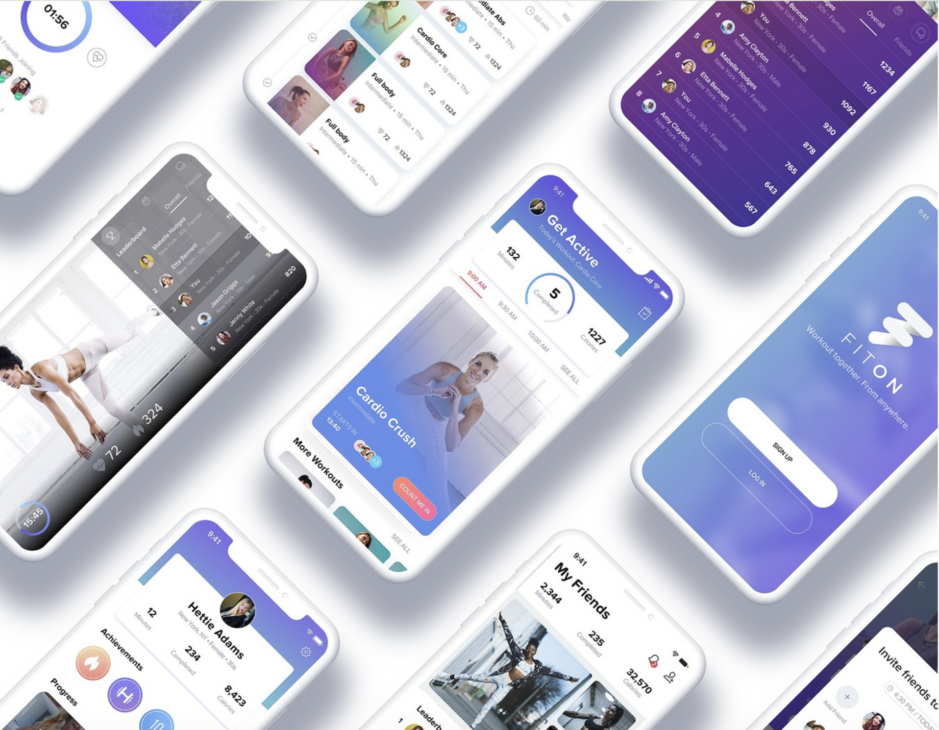
Premium subscriptions typically unlock premium content, including live classes, expert trainers, and community features that boost accountability and motivation. FitOn and Peloton, for example, provide premium classes with star trainers and large libraries of on-demand sessions that go well beyond basic free workouts.
Comprehensive Fitness Tools and Data Insights
Paid tiers also offer richer analytics, integration with wearables, and metrics like VO2 max, adaptive weekly goals, and recovery suggestions. These help experienced users refine performance rather than just log activity. Premium versions of apps often sync with devices such as smartwatches to pull in more detailed health data, helping you train smarter, not just harder.
Ad-Free and Enhanced User Experience
Free versions often show ads or limit features; premium subscriptions typically remove ads and streamline the experience so you’re not interrupted mid-workout. Some premium content even adapts in real time, tailoring playlists, pacing, or difficulty based on your performance.
Head-to-Head: Free vs Premium in 2025
Let’s zoom in on how these two approaches actually performed for real users and what you get in each camp.
Free Apps – Best For:
- Beginners and casual exercisers
- Users on a budget
- Basic tracking and step goals
- Trying multiple approaches before committing
Examples:
- Nike Training Club (NTC) – free, with a broad library of workouts suitable for all levels.
- Samsung Health – a free tracker with integrated workouts via iFIT (including free monthly sessions).
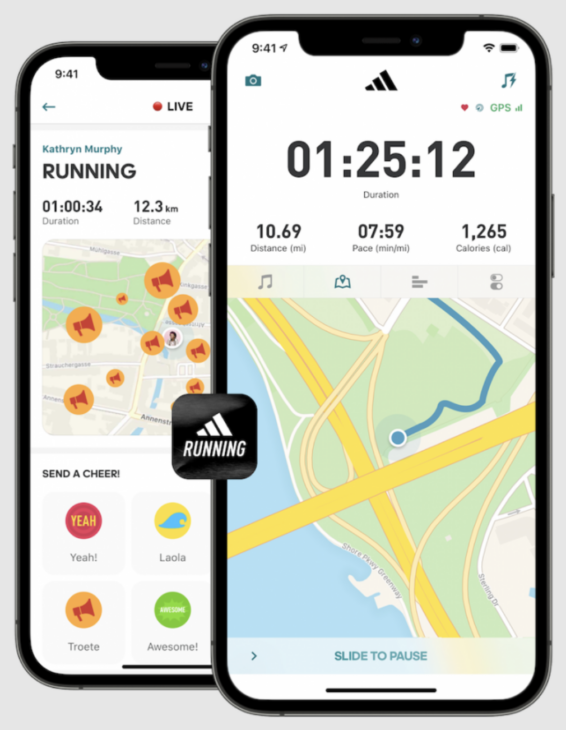
- Adidas Running (formerly Runtastic) – strong activity tracking with free tools.
Premium Apps – Best For:
- Goal-oriented users aiming for measurable results
- People who want structured training plans
- Advanced analytics and personalized coaching
- Athletes or serious hobbyists
Examples:
- Peloton Digital – premium classes, structured schedules and motivational community.
- FitOn Premium – access to more varied expert workouts and live sessions.
- Future – one-on-one personalized coaching and adaptive plans.
The key difference is the depth of personalization and expert guidance. Free apps are excellent at providing access, but premium apps often deliver intentional progression.

So, Is Premium Worth It?
The answer depends on your fitness journey:
- If you want to stay active, maintain a routine, or explore different workouts without spending money, free apps deliver tremendous value in 2025. They cover basics like cardio, yoga, strength, mobility, and step tracking, often with good design and adaptability.
- If you’re looking for structured progression, expert coaching, higher accountability, and advanced metrics, a premium subscription will give you much more. Many users find that premium planning and coaching features help them reach goals faster than free tools alone.
In many cases, a hybrid approach works best: start with free tools to build foundational habits, then unlock premium features when you’re ready to commit to deeper fitness goals.
Final Thoughts
2025 has been a banner year for fitness apps. Free options are stronger than ever, thanks to partnerships and quality content, while premium services have pushed the boundaries with personalized coaching, structured plans, and data analytics. The best choice for you depends on your goals, experience level, and budget – but either way, there’s never been more value available in the palm of your hand.
You’re a cardio newbie or a seasoned iron-pumper, the right fitness app, free or premium, can be the difference between logging workouts and loving them.