
Temu vs. Amazon: Who Actually Won the 2025 E-Commerce Crown?

We are one day away from 2026, and if your bank account is looking a little thinner than usual, you probably have one of two apps to blame. 2025 was officially the year the “E-Commerce Cold War” went hot.
On one side, we have the reigning heavyweight champion, Amazon, delivering toothpaste to your door in four hours. On the other, the scrappy, neon-colored challenger, Temu, promising you a drone for $3 if you just spin this wheel one more time.
So, looking back at the last 12 months, who actually took the crown? Did Amazon’s new budget store crush the competition? Or are we all still “shopping like billionaires” on a minimum wage budget? Here is the breakdown.
1. The Download Champion: Temu (Again)
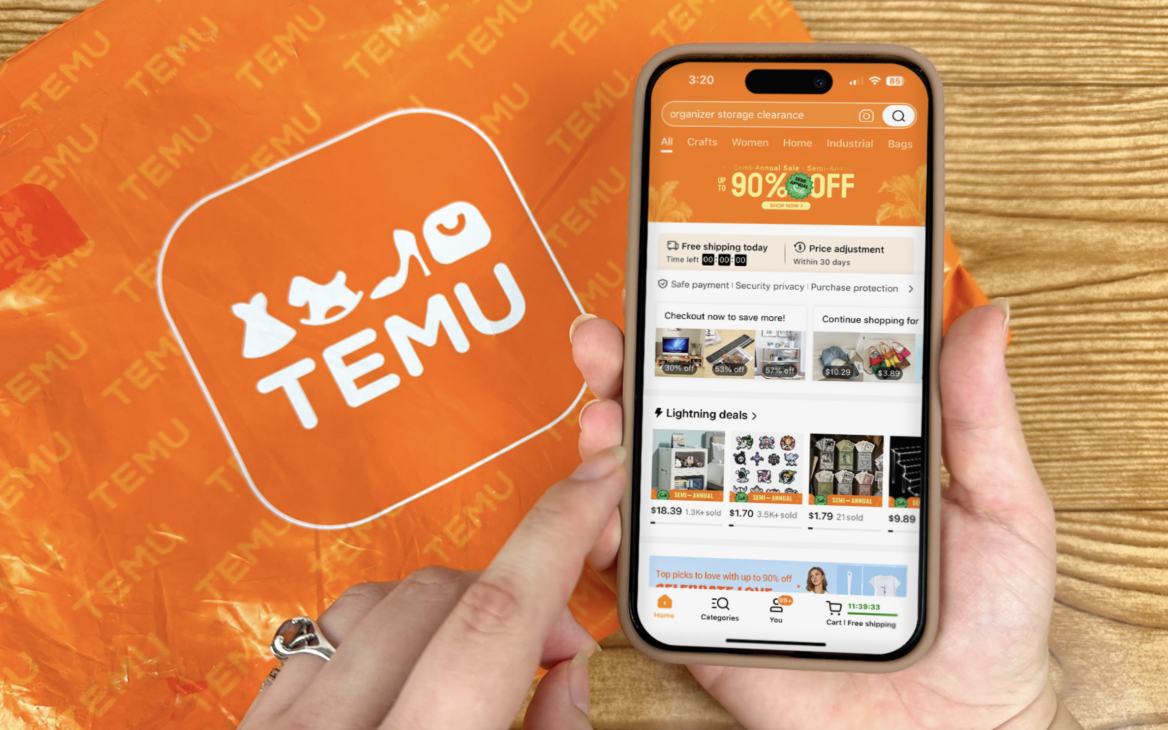
If we look purely at who invaded the most phones this year, the contest wasn’t even close. For the second year in a row, Temu was the most installed app in the United States, racking up 64 million downloads.
It wasn’t just an American obsession, either. Temu claimed the top spot in the UK with 13 million downloads and dominated charts across Europe. While we all joked about the aggressive ads in 2024, by 2025, the app had cemented itself as a staple on millions of home screens.

Why it won here: Dopamine. Temu didn’t just sell products; it gamified the act of spending money. With countdown timers, “lighting deals,” and those hypnotic spin-to-win wheels, the average user spent over 9 minutes per session on the app. In the attention economy, that is an eternity.
2. The Empire Strikes Back: Enter “Amazon Haul”
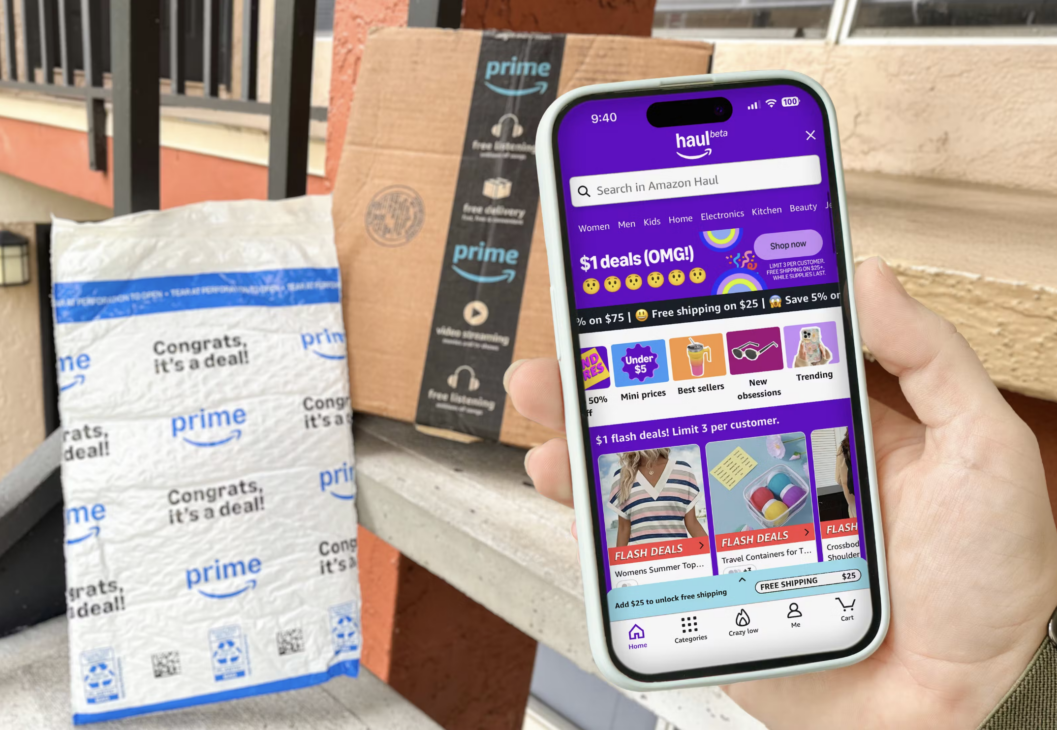
Amazon didn’t just sit back and watch its market share get nibbled away by $2 socks. In late 2024 and expanding aggressively throughout 2025, they launched their counter-attack: Amazon Haul.
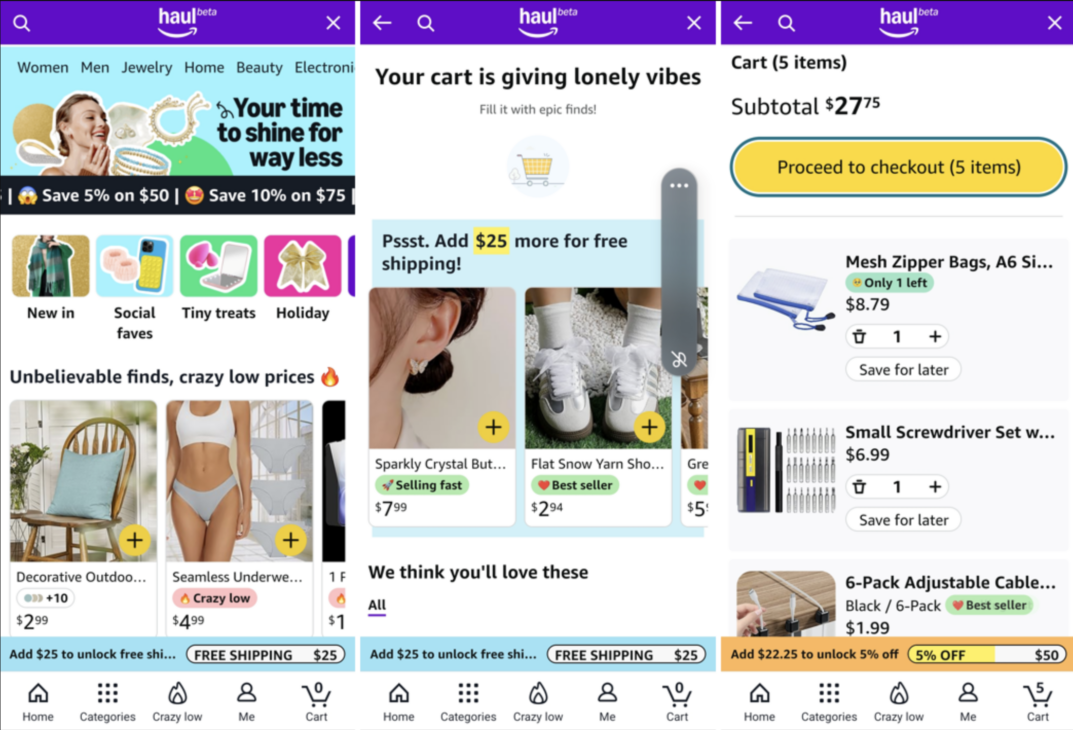
Think of it as Amazon’s “dollar store” section. Accessible via the main app, Haul focused strictly on items under $20, with many under $10. The catch? Shipping takes one to two weeks—a massive departure from the Prime “two-day” dogma.
Did it work? Surprisingly, yes. By November 2025, Amazon reported that visits to the Haul storefront had tripled since June, and they expanded the service globally under the name Amazon Bazaar to 25 countries. It turns out, Amazon users do like cheap stuff, provided it comes from a brand they already trust.
The “De Minimis” Drama
You can’t talk about 2025 shopping without mentioning the boring trade law that almost ruined everything: the De Minimis exemption.
For years, this loophole allowed packages under $800 to enter the US duty-free from China. In 2025, US trade policy tightened this rule to squeeze import models used by Shein and Temu.
This forced a massive strategic pivot.
- Temu started shifting inventory to local warehouses in the US and Europe to avoid tariffs, meaning fewer “shipped from China” labels and slightly faster delivery.
- Amazon leaned into its existing massive US fulfillment network to fulfill Haul orders, suddenly giving it a logistical edge over its rivals.
The Fatigue Factor
Despite the massive download numbers, 2025 showed us the first cracks in the “Shop Like a Billionaire” armor. Data from mid-2025 showed that while Temu’s user base is massive (over 416 million monthly active users globally), their web traffic dipped slightly in months like May.
We also saw the rise of “Gamification Fatigue.” While Amazon’s “Haul” mimics some of these fun elements with emojis and colorful icons, it feels less aggressive. Users started to appreciate the quiet reliability of Amazon compared to the slot-machine chaos of its rival.

The Verdict: A Split Decision
So, who wears the crown?
- If you count eyeballs and installs: Temu wins. It remains the viral sensation that captures Gen Z and budget shoppers like nothing else.
- If you count actual dominance: Amazon is still the king. With 46% of all AI-driven shopping traffic and a massive 42% market share (compared to Temu’s ~18%), Amazon is the “default” for serious shopping.
In 2025, we learned that we want it all: we want Amazon’s reliability when we need a charger tomorrow, but we want Temu’s prices when we need 50 rubber ducks for no reason at all.
Happy shopping in 2026! Try not to buy anything you don’t actually need. (Who am I kidding? See you at the checkout.)