Top 10 Productivity Apps That Dominated 2025
Another year, another hundred productivity apps promising to change your life. But 2025 was different. AI didn’t just arrive – it moved in, made itself comfortable, and completely transformed how we work. The apps that dominated this year weren’t just digital to-do lists. They became intelligent assistants that actually understood how humans work.
1. Motion: The AI That Plans Your Day
Motion claimed it could save users 30.3 days per year. Bold claim, right? Turns out, they weren’t exaggerating by much.
Motion integrates project management, to-do lists, scheduling, calendar management, and AI note-taking into one platform, eliminating the need to juggle five separate apps. The AI automatically schedules tasks based on deadlines, priorities, and your actual availability, then reschedules everything when plans inevitably change.
The AI scheduling alone saves users 2.5-5 hours weekly, according to user reports. That’s over 200 hours annually – nearly nine full days of recovered time.
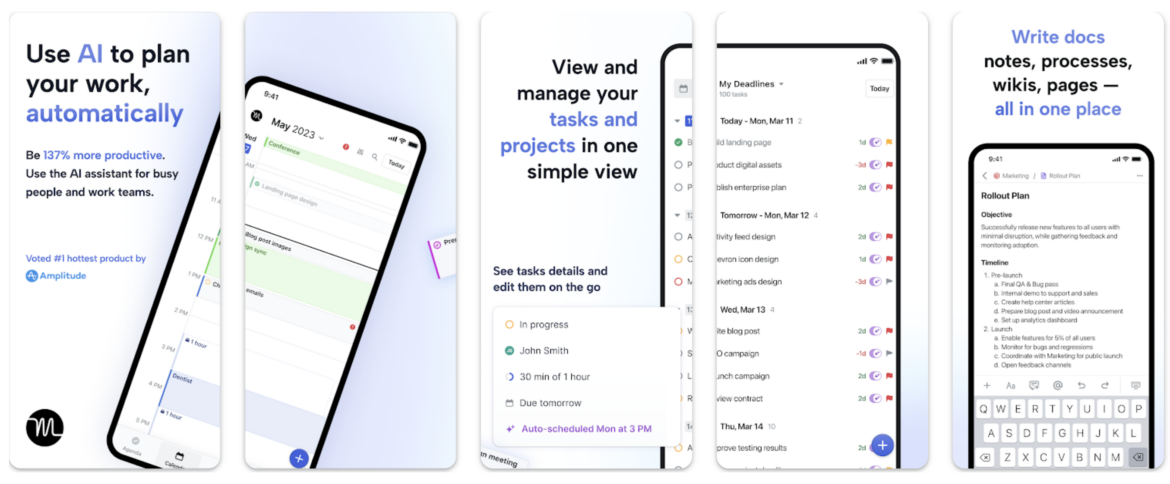
What made Motion stand out in 2025? It launched AI Employees – customizable AI bots trained on your data, writing style, and workflows. These digital teammates handle repetitive tasks like drafting emails or creating project plans, then sync everything directly into your calendar.
The catch? Premium pricing starting at $19-34 monthly. But considering the time saved, most users found it worth every cent.
2. Notion: The Swiss Army Knife Gets Smarter
Notion has always been the productivity app people love to flex about. In 2025, it earned that reputation.
The AI layer helps summarize notes, draft content, and even automate tasks, making it feel like a second brain. You can dump information into Notion and let AI organize it, find connections, or generate summaries without manual effort.
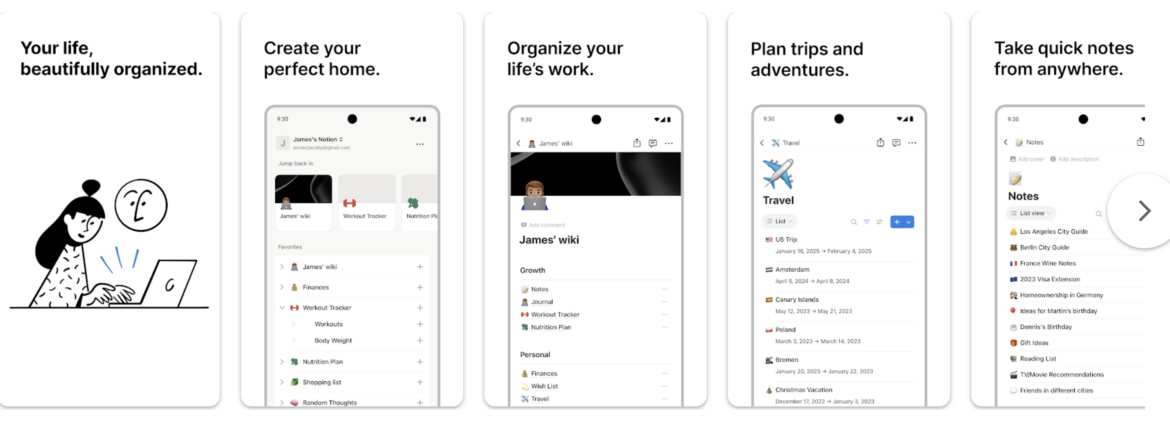
Notion’s ability to be as complex or straightforward as you want it to be means beginners can start simple while power users build elaborate systems. Some people run entire businesses from Notion. Others just track their reading lists. Both approaches work perfectly.
The platform handles notes, databases, wikis, project management, and collaboration in one clean interface. In 2025, that all-in-one approach finally clicked for mainstream users tired of switching between apps.
3. Todoist: Simplicity Still Wins
While everyone chased AI features, Todoist stuck to its core strength: being stupidly simple to use.
Todoist performs better and more intuitively in natural language processing than competitors. Type “Submit project report by Friday @Work #Marketing” and watch it automatically create a properly categorized task with the right deadline.
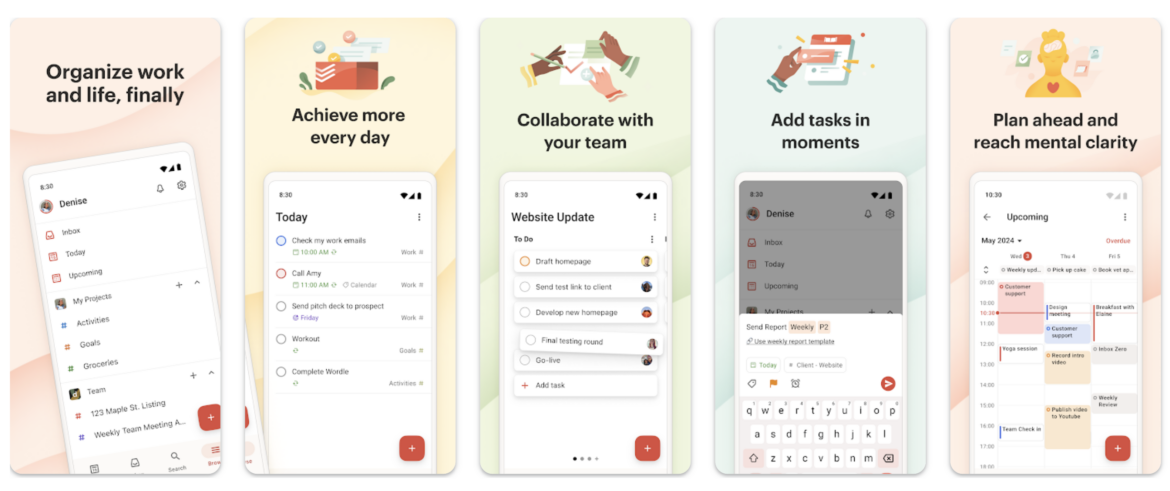
The clean, minimalist interface means you spend time completing tasks instead of organizing your task manager. Todoist supports way more third-party integrations through its App Store-like catalog, connecting with virtually every tool your team uses.
In 2025, Todoist proved that not every productivity app needs AI bells and whistles. Sometimes you just need a reliable place to write things down and check them off.
4. TickTick: The Feature-Packed Underdog
TickTick has always been the productivity app for people who want everything.
Unlike many other task management platforms, TickTick allows users to create and monitor their daily habits, integrating habit tracking directly into task management. It also includes a built-in Pomodoro timer, calendar views, and even a floating sticky note window.
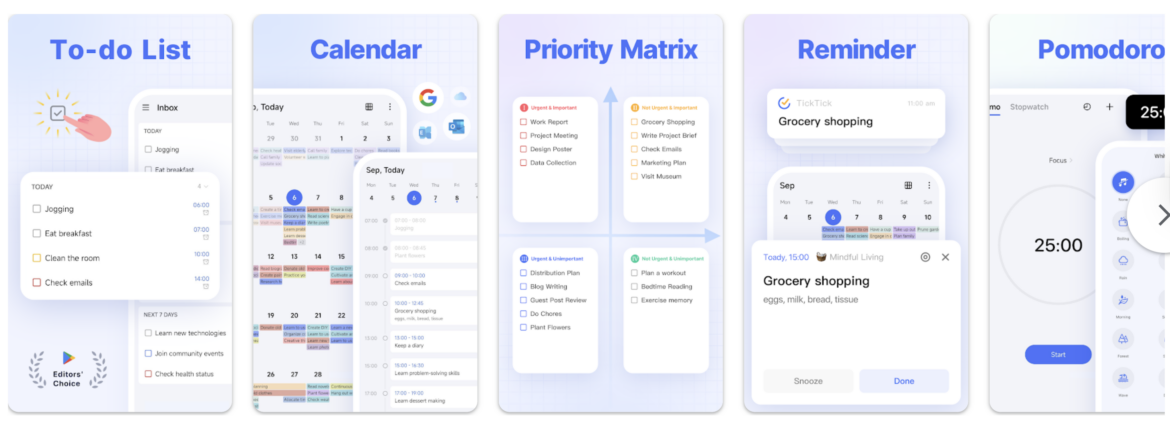
TickTick’s built-in calendar is better than competitors, especially in the mobile app, where you can launch a split view of your tasks and calendar, dragging items onto dates to quickly build a schedule.
The free version is generous, and premium costs less than competitors while offering more features. For power users who want maximum functionality without maximum price, TickTick dominated 2025.
5. Reclaim.ai: The Calendar That Fights Back
Calendars used to be passive. Reclaim made them proactive.
Reclaim automatically finds the best time for your tasks, habits, meetings, and breaks in your busy schedule, then defends that time aggressively. When someone tries to book over your focus time, Reclaim suggests alternatives.
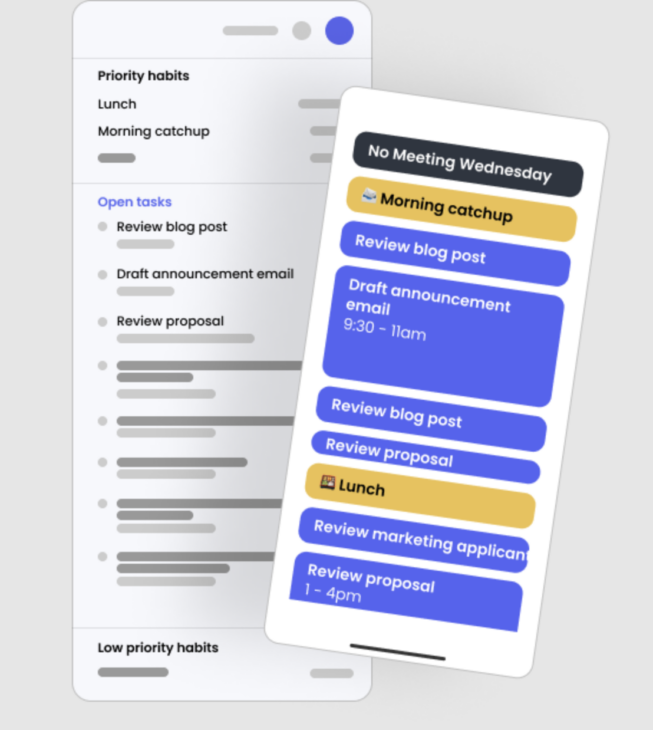
From smart scheduling to task prioritization, AI is shifting apps from passive tools into proactive assistants, and Reclaim exemplifies this shift. The app learns your work patterns and optimizes your week automatically.
The result? Days that actually reflect your priorities instead of everyone else’s urgent requests.
6. Slack: Communication That Doesn’t Suck
Slack isn’t new, but 2025 was the year it fully replaced email for millions of teams.
Slack is an awesome alternative for asynchronous communication that can really boost productivity for remote teams, allowing you to communicate in real time with individual team members, small teams, or your entire organization.
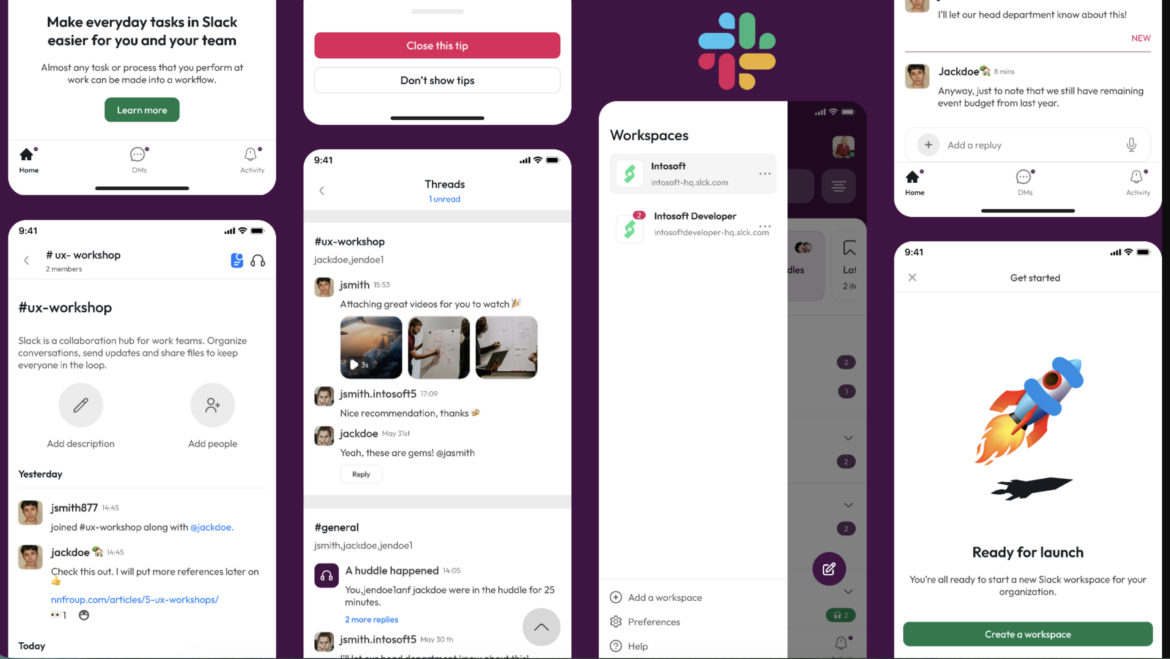
The app connects with hundreds of other tools, bringing work directly into chat rooms. Need to review a document? Check a calendar? Update a project? Do it all without opening new tabs.
Smart features like scheduled send and status syncing with calendars mean you can message someone when you think of it, but deliver it when they’re actually available. Small feature, huge impact.
7. ChatGPT: The Assistant Everyone Underestimated
Controversial pick? Maybe. But ignore the numbers.
ChatGPT has actually helped people become more productive and cut down on mundane tasks. Feed it research materials, forum threads, and articles, then ask it to combine everything into something easier to parse. It generates summaries, drafts, and even formatted documents in seconds.
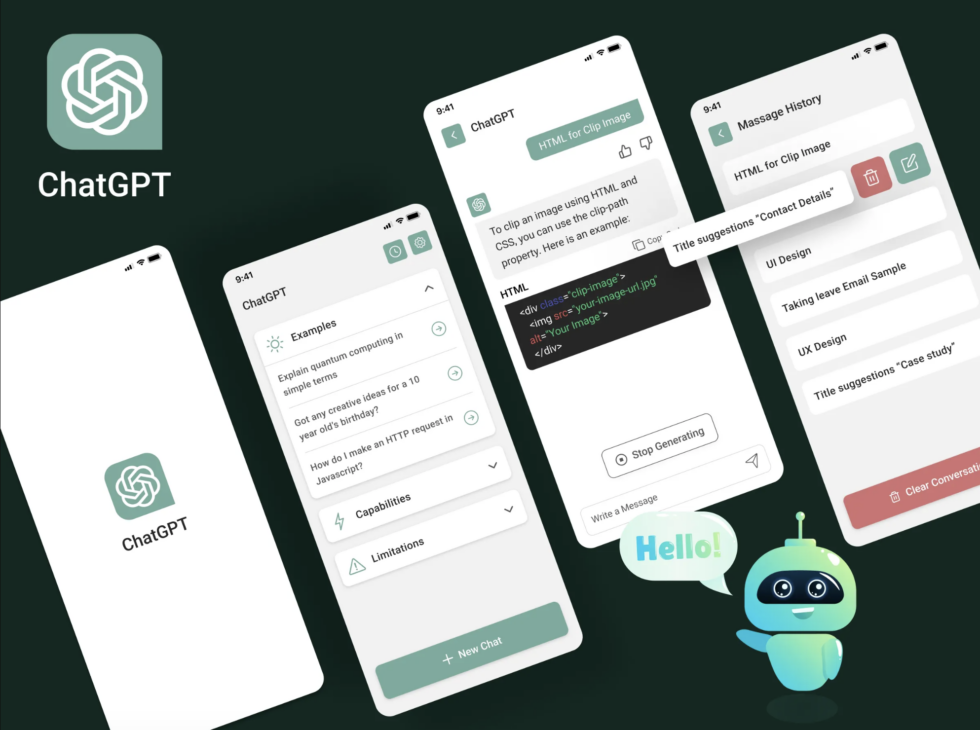
For writers, ChatGPT functions as an editor who gives you a different perspective that one fails to see while writing. It’s the second brain that helps you look at problems from different angles.
In 2025, ChatGPT stopped being a novelty and became a daily productivity tool for millions of professionals.
8. Rize: The Time Tracker That Actually Helps
Most time trackers just show you where time went. Rize shows you how to get it back.
Rize not only helped users easily track how much time they spend on tasks and projects but also helped establish healthier work habits. The app monitors your computer usage and provides suggestions for improving personal productivity.
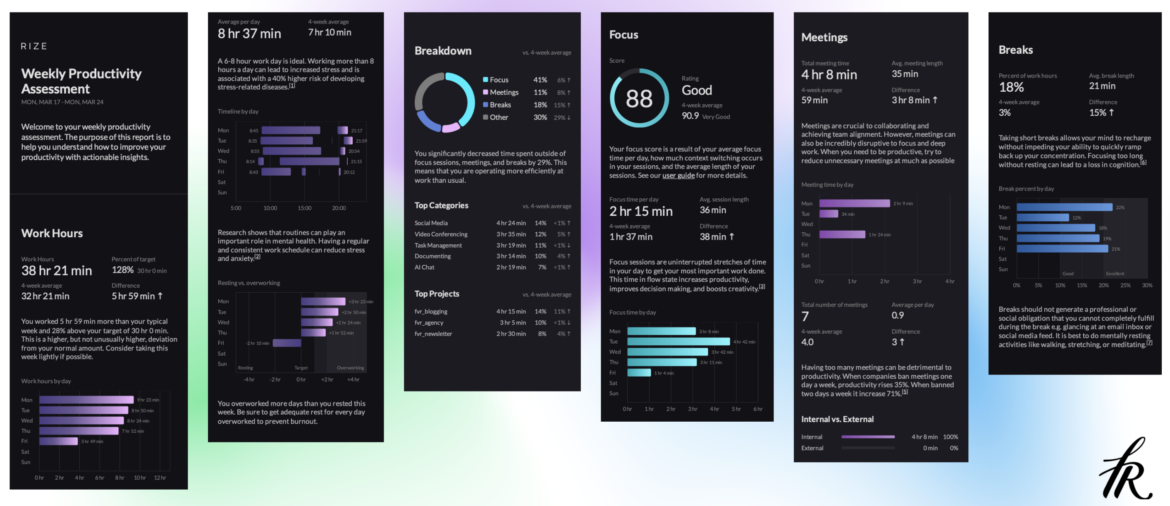
Rize is more than just a time-tracking app – it’s a habit tracker as well to ensure users maintain work-life balance while staying productive. It notices when you’re working too long without breaks and actually intervenes.
The difference? Rize focuses on sustainable productivity instead of squeezing every minute for output.
9. ClickUp: The Project Manager’s Dream
ClickUp tried to be everything for everyone in 2025, and somehow pulled it off.
ClickUp assists in collaborating, organizing, planning, and reporting on multiple projects, with AI features that help create reports, enhance writing, and summarize complex tasks. Teams can set goals, chat, share wikis, and track work in one platform.
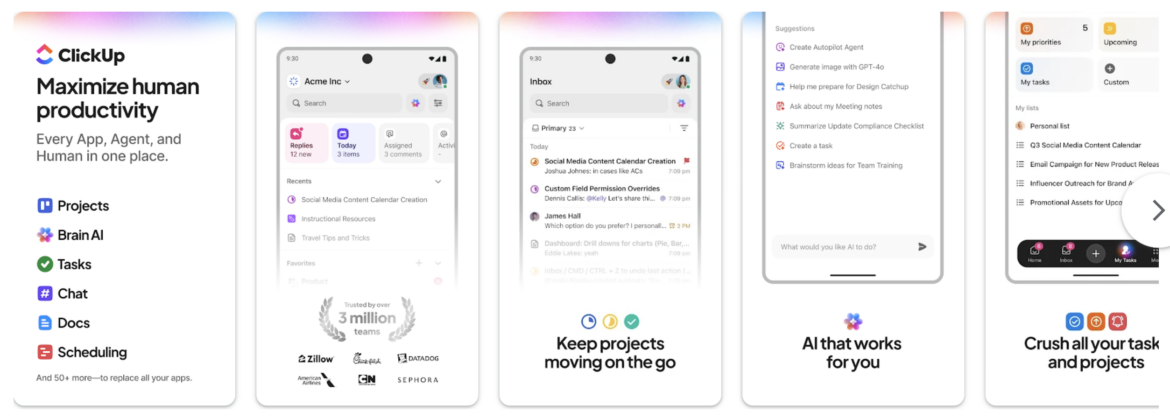
The customization options border on overwhelming, but that flexibility means ClickUp adapts to any workflow instead of forcing teams into predetermined structures. Marketing teams, software developers, and construction companies all use ClickUp successfully – rare for project management software.
10. Google Keep: The Underrated Simplicity Champion
Google Keep isn’t flashy. It doesn’t have AI. It won’t revolutionize your workflow. And that’s exactly why it works.
Keep remains the app for those who just want to dump everything into one place, no complexity required. Quick notes, voice memos, photos, checklists – capture anything in seconds across all your devices.
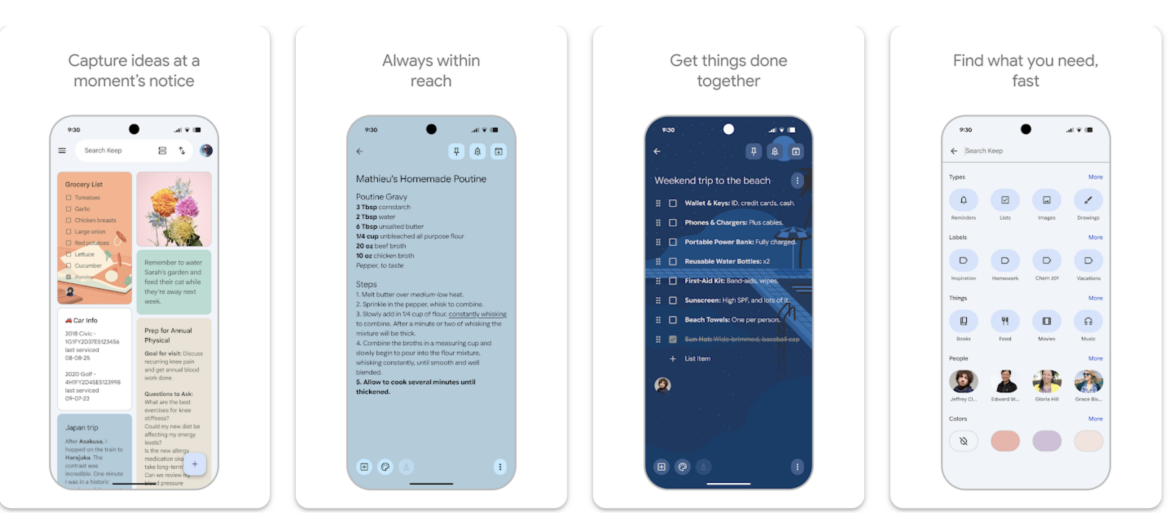
In 2025, while everyone chased sophistication, Keep reminded us that sometimes you just need a place to write stuff down that syncs properly and doesn’t get in your way.
What Actually Changed in 2025
The productivity app landscape shifted dramatically this year. AI stopped being a gimmick and started delivering real value. Apps that integrated AI thoughtfully – like Motion and Notion – thrived. Apps that added AI just for marketing flair fell behind.
The year also marked the death of single-purpose apps. Users abandoned tools that only did one thing when alternatives offered five features for the same price. Motion replaced separate calendar, task manager, and scheduling apps. Notion eliminated the need for notes, wikis, and databases. Integration became non-negotiable.
But the biggest change? Apps finally started optimizing for actual human behavior instead of ideal productivity fantasies. They learned that people don’t work in perfectly planned blocks. Schedules change. Priorities shift. Emergencies happen. The apps that dominated 2025 adapted automatically instead of forcing users to manually reorganize everything.
The Real Winner
None of these apps will magically fix procrastination or create extra hours in your day. But they can eliminate friction, reduce decisions, and automate the boring parts of staying organized.
The best productivity app isn’t the one with the most features. It’s the one you’ll actually use consistently. Todoist might be perfect for someone who wants simplicity. Motion might transform life for someone drowning in calendar chaos. TickTick might be ideal for the power user who wants every feature imaginable.
2025 proved that productivity tools work best when they match how you actually work, not how productivity gurus think you should work. The apps that understood this distinction? They’re the ones still on our phones as we head into 2026.