E-Commerce Apps Got Faster: Comparison of 2026
You open an app, see something you like, and — if the app is good — you’ve bought it before your brain has fully registered what happened. That is not an accident. The biggest shopping apps in 2026 have been engineered, tested, and re-engineered to turn browsing into buying as fast as humanly (and algorithmically) possible. But they’ve gone about it in very different ways. Here’s how the major players actually compare.
The Checkout Race: Who Gets You Out the Door Fastest?
The single biggest battleground in mobile shopping right now is checkout speed — specifically, how few taps it takes to go from “I want this” to “it’s ordered.”
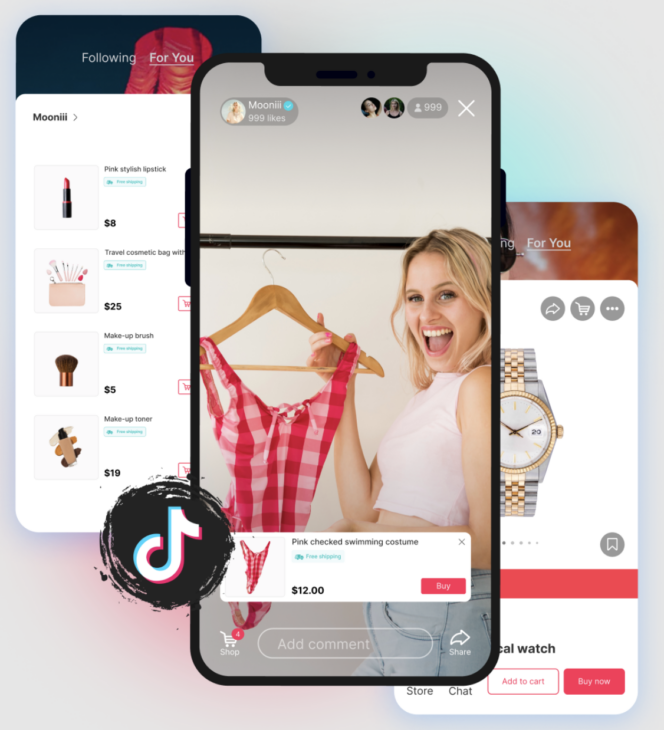
TikTok Shop has arguably won this race for impulse buyers. It offers a fully integrated in-app checkout: you see a product in a video, tap the anchor link, and complete the purchase without ever leaving the app. This matters because every redirect to an external website is a moment where people abandon their carts. By keeping the entire journey inside TikTok, the platform has driven U.S. monthly sales from $15.1 million in July 2023 to over $1.1 billion by July 2025 — with TikTok Shop U.S. sales forecast to exceed $20 billion in 2026.
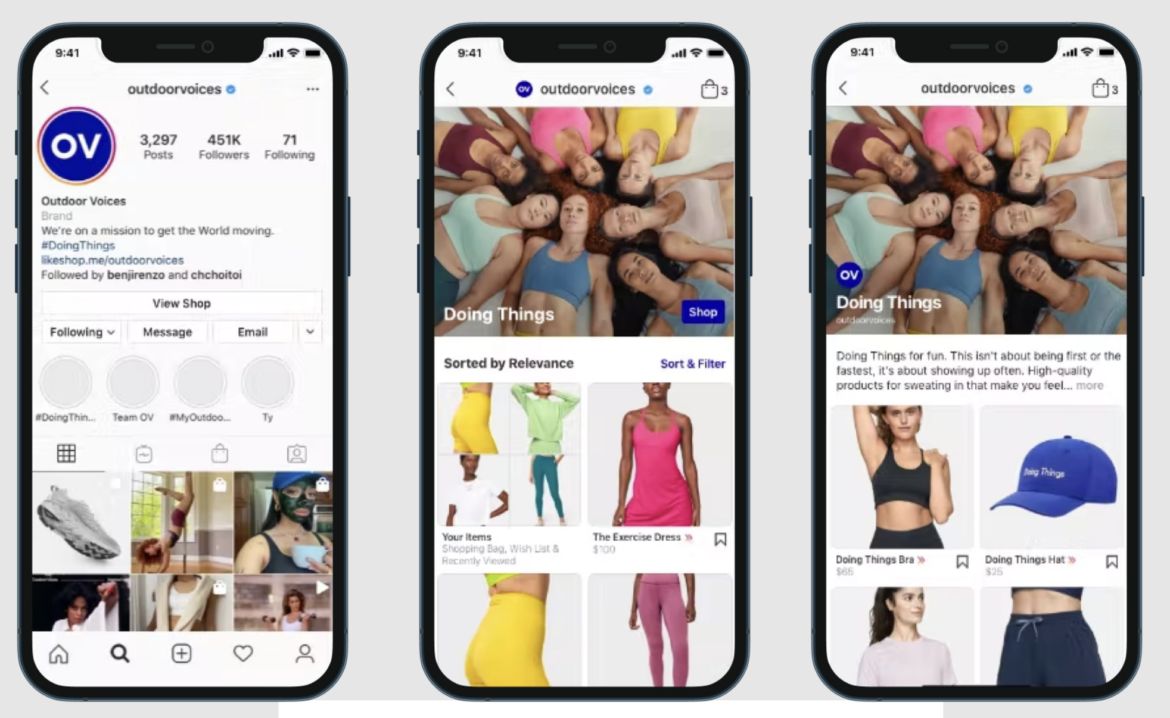
Instagram Shopping, by contrast, has actually pulled back on in-app checkout. Instagram killed its Live Shopping feature back in 2023, and most sellers today redirect users to their own websites to complete purchases. In-app checkout remains available to eligible U.S. businesses, but it is no longer the default experience. The extra redirect step is friction — and friction loses sales.
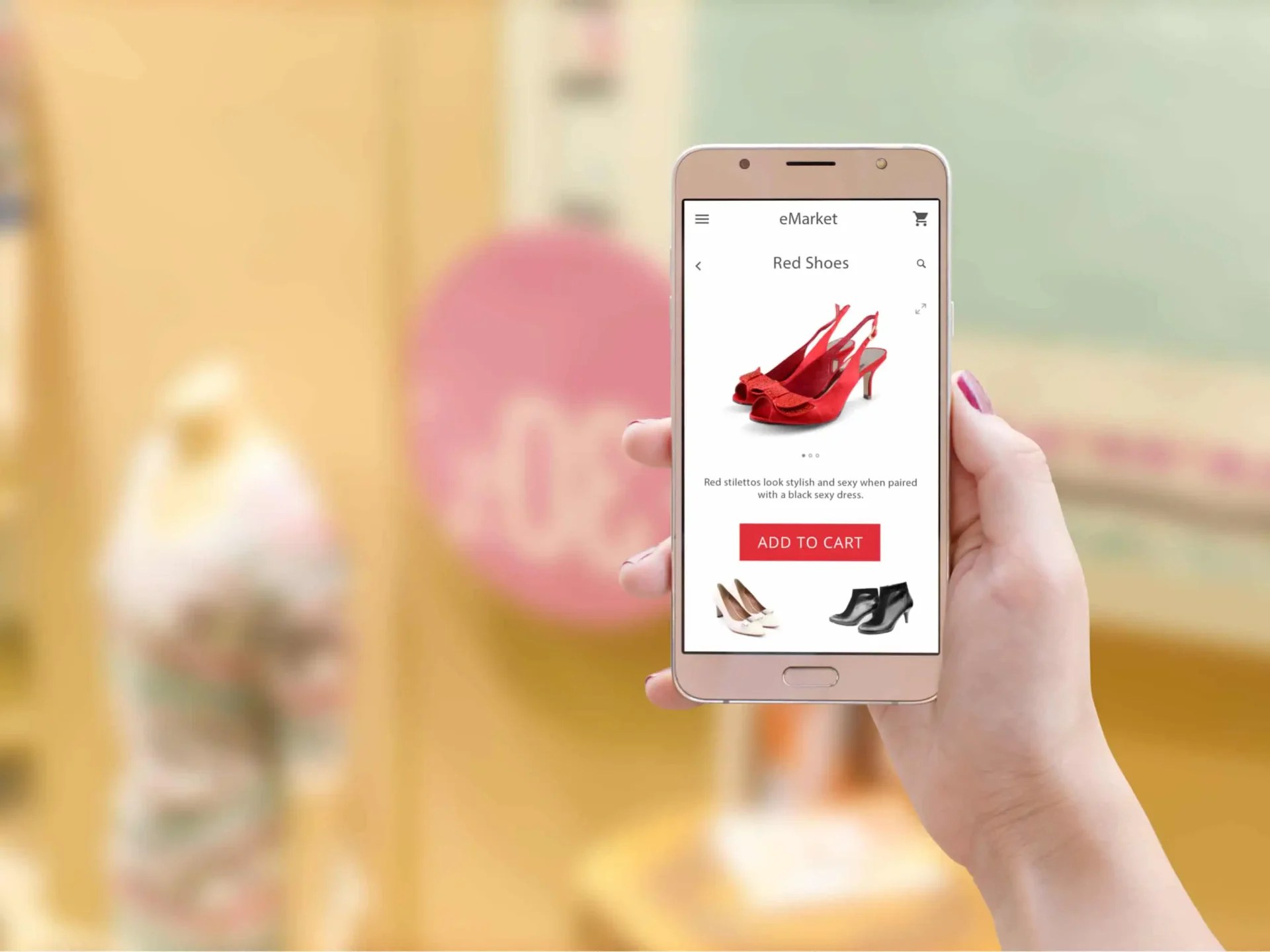
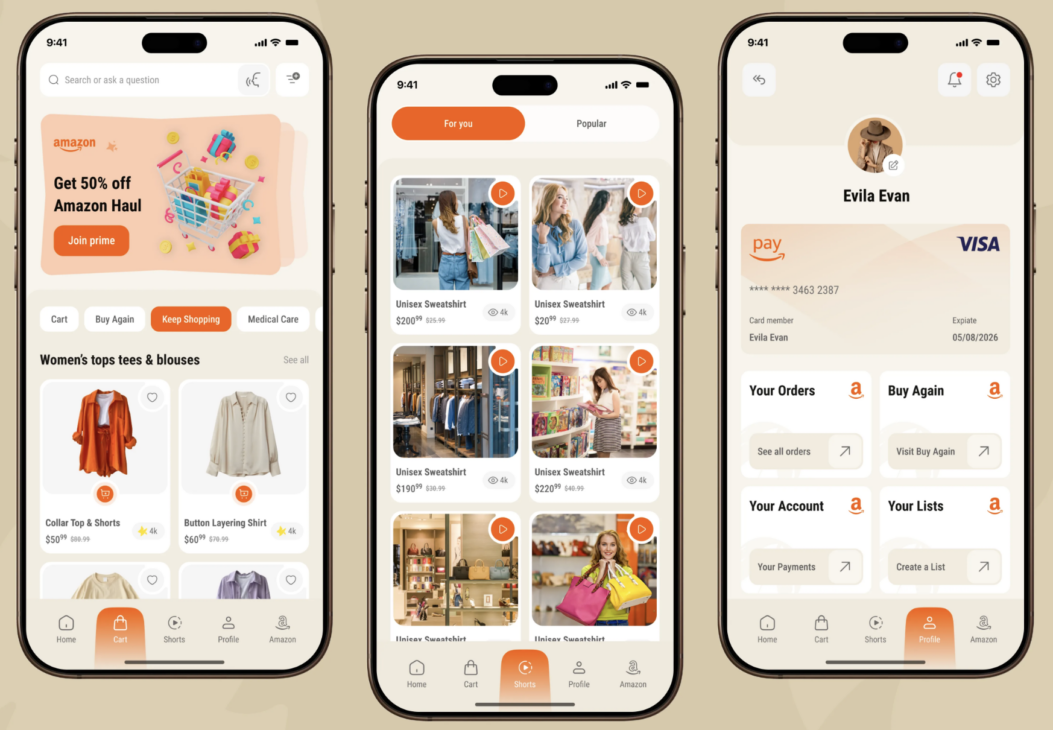
Amazon still owns the one-tap checkout gold standard through its “Buy Now” button, which uses saved payment details, delivery addresses, and — for Prime members — a guaranteed delivery window. The experience is fast, familiar, and trusted. Amazon Haul, its discount storefront launched in November 2024 to compete with Temu and Shein, is accessible through the main Amazon app with a separate cart and checkout system designed specifically for younger, mobile-first shoppers.
Temu vs. Shein: The Budget App Showdown
These two have reshaped what people expect from low-cost mobile shopping, and they’ve done it with very different app philosophies.
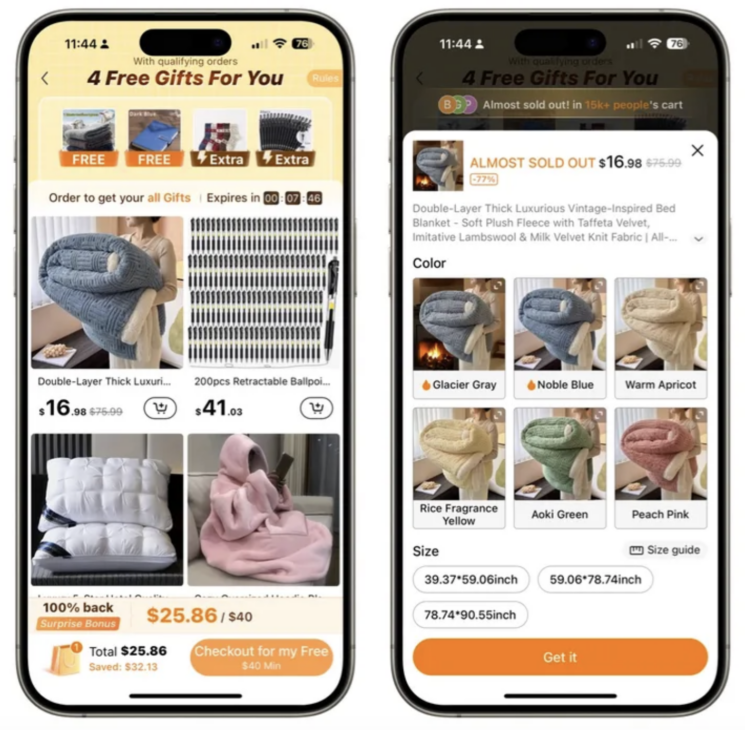
Temu is the gamified one. Open it and you’re immediately greeted with spinning wheels, flash countdowns, daily check-in rewards, and stacked coupon notifications. It’s less of a shopping app and more of a slot machine with a catalog attached. That sounds like a criticism — but it works. Temu now consistently outperforms Amazon in weekly U.S. app downloads. Its model connects buyers directly with Chinese manufacturers, cutting out middlemen and pushing prices as low as they will go.
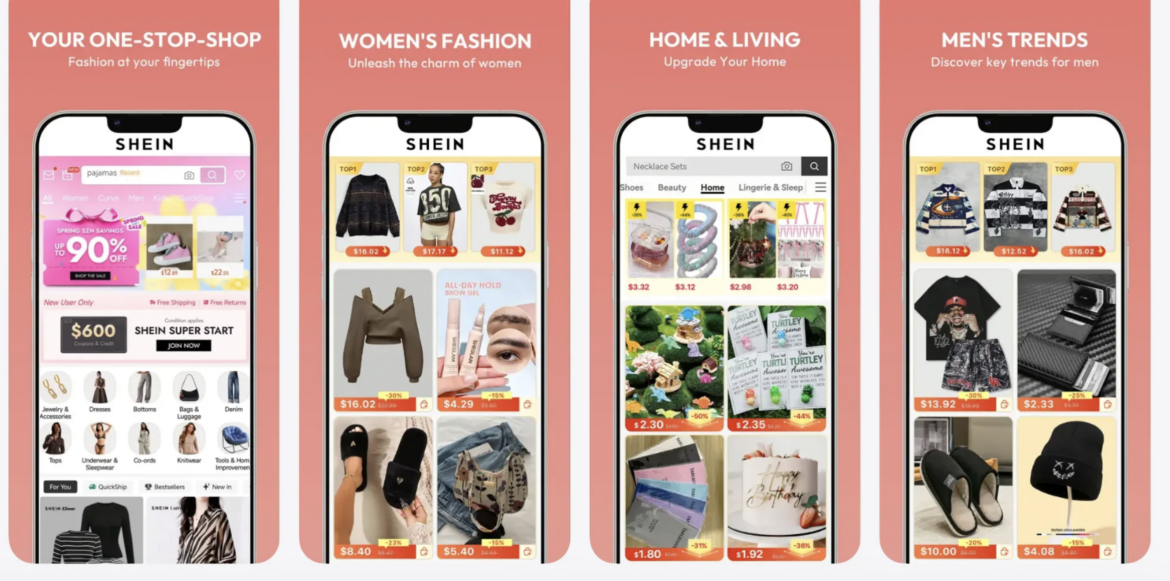
Shein takes a cleaner approach to the app experience. It’s still heavily promotional, but the interface is more focused on fashion discovery — better filtering, clearer sizing information, and content that shows how items look on different body types. Its checkout experience is more streamlined than Temu’s, which can feel cluttered under all the promotional overlays.
Here’s how they stack up on the things that actually matter to shoppers:
| Feature | Amazon / Amazon Haul | TikTok Shop | Temu | Shein | Instagram Shopping |
|---|---|---|---|---|---|
| In-app checkout | Yes (full) | Yes (full, global) | Yes | Yes | US only / redirect |
| Avg. delivery time | 1–2 days (Prime) / 1–2 weeks (Haul) | 5–10 days | 1–3 weeks | 1–3 weeks | Varies (external) |
| Return window | 30 days (15 for Haul) | Varies by seller | 90 days | Standard policy | Varies |
| Best for | Everything + trust | Impulse/viral buys | Budget goods | Fast fashion | Premium/brand-loyal |
| Gamified experience | No | Moderate | Heavy | Moderate | No |
The Algorithm Advantage: TikTok vs. Instagram
This is where the two social commerce platforms diverge most sharply — and it has nothing to do with checkout.
TikTok’s For You Page algorithm does not care how many followers a brand has. A product video from a zero-follower account can go viral overnight and generate thousands of orders. This discovery model is genuinely new in e-commerce. As TikTok’s own 2026 trend forecast notes, 81% of TikTok users say the platform gives them a realistic view of products in real-life use — which drives trust in a way polished ads never quite manage. Fifty percent of TikTok users report making purchases after watching a TikTok Live shopping session.
Instagram, by contrast, rewards brands that people already follow. It remains the premium “digital catalog” — better for building brand identity, nurturing loyal customers, and selling higher-ticket items. Average order values on Instagram consistently run higher than TikTok’s $59 average. In 2026, Instagram has also leaned into “Social SEO”: Google now indexes public Instagram posts, meaning products are discoverable through search engines, not just the app itself.
“Use TikTok for discovery and volume. Use Instagram to build trust with customers who are almost ready to buy.”
This is the strategy most savvy brands are running in 2026 — both platforms, different roles.
What Each App Does Better Than the Others
- Amazon: Unbeatable delivery speed (Prime), the deepest catalog, and the most trusted checkout on the internet. If you know what you want and you want it fast, nothing else competes.
- TikTok Shop: Best for viral discovery, live commerce, and reaching new audiences without ad spend. A small brand’s best friend — if the product demos well on video.
- Temu: Lowest prices, period. The gamified experience is maximally engineered for engagement. Good for accessories, home goods, and anything where price is the only criterion.
- Shein: Best-in-class for fast fashion browsing. Better UX than Temu for clothing specifically, with more consistent quality control and stronger trend curation.
- Instagram Shopping: The right home for premium products, lifestyle brands, and anything that benefits from aspirational, high-quality visual content.
The Bottom Line for Shoppers
In 2026, the gap between a good shopping app and a great one comes down to three things: how fast it gets you to checkout, how well it surfaces things you actually want, and whether it builds enough trust for you to hand over your card details.
TikTok Shop has nailed the first two for impulse purchases. Amazon still wins on trust and speed for deliberate ones. Temu and Shein have cornered the budget market with very different UX philosophies. And Instagram remains the place brands go to look credible.
The smartest move for shoppers is the same as the smartest move for brands: use each app for what it’s actually good at, and stop expecting any of them to be all things at once.