The Sugar Hacker: Reviewing the Best Apps for Over-the-Counter CGMs
I might not have a medical degree, but I know the exact feeling of wanting to nap under my office desk at 2:00 PM. We have all been there. For years, I assumed that afternoon crash was just a personality flaw or a sign of aging. It turns out, it is usually just a blood sugar crash triggered by the massive plate of pasta I ate for lunch.
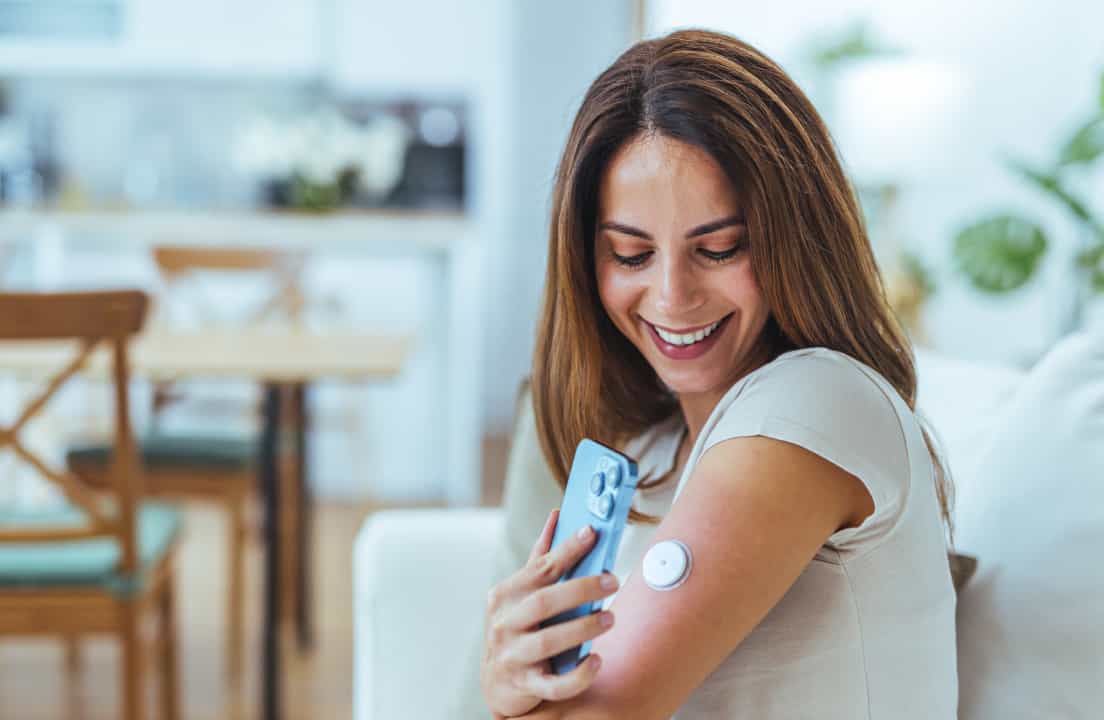
Up until recently, figuring out exactly how different foods affected your bloodstream required a doctor’s visit, a medical diagnosis, and a prescription. But as of May 8, 2026, the medical tech landscape has completely shifted. Continuous Glucose Monitors (CGMs) are now available directly over the counter. You can walk into a pharmacy, buy a tiny biosensor, stick it on the back of your arm, and instantly turn your smartphone into a metabolic dashboard.
However, the hardware is only half the battle. The sensor just collects the data; it is the mobile app that actually decodes it. If you are ready to start biohacking your breakfast, here is a breakdown of the best over-the-counter CGM apps currently dominating the market.
The OTC Hardware Landscape
Before we dive into the software, we need to quickly identify the sensors you will actually be wearing. The FDA cleared a massive bottleneck back in 2024, leading to the two heavyweights we see everywhere in 2026:
- Dexcom Stelo: Designed for adults 18 and older who do not use insulin. It boasts a 15-day wear time and takes a reading every 15 minutes.
- Abbott Lingo (and Libre Rio): The Lingo is marketed heavily toward general health and wellness optimization, while the Libre Rio targets Type 2 diabetics not on insulin. These sensors impressively update your glucose readings every single minute.
You stick the sensor on, you download the companion app, and the Bluetooth connection does the rest. Let us look at how these apps actually perform in the real world.
The Dexcom Stelo App: The Behavioral Coach

The Stelo app is fundamentally designed to prevent data overwhelm. If you are the kind of person who gets anxious looking at complicated spreadsheets, this is the app you want.
Instead of just showing you a terrifying line graph of your blood sugar, the Stelo app acts more like an intelligent food diary. When you experience a glucose spike, the app sends a gentle alert and prompts you to tag what caused it. You can select food, exercise, or stress.
“The true power of the Stelo app isn’t the number on the screen; it is the behavioral realization. Once you visually confirm that your favorite ‘healthy’ oat milk latte spikes your blood sugar worse than a candy bar, you naturally stop ordering it.”
The absolute best software feature of the Stelo, however, is its deep integration with the Oura Ring app. If you own an Oura Ring, you do not even need to open the standalone Stelo app. The Oura app pulls the 24/7 glucose data and overlays it directly onto your sleep and stress metrics, providing a holistic view of your metabolic health in one place.
The Abbott Lingo App: The Data Nerd’s Dream
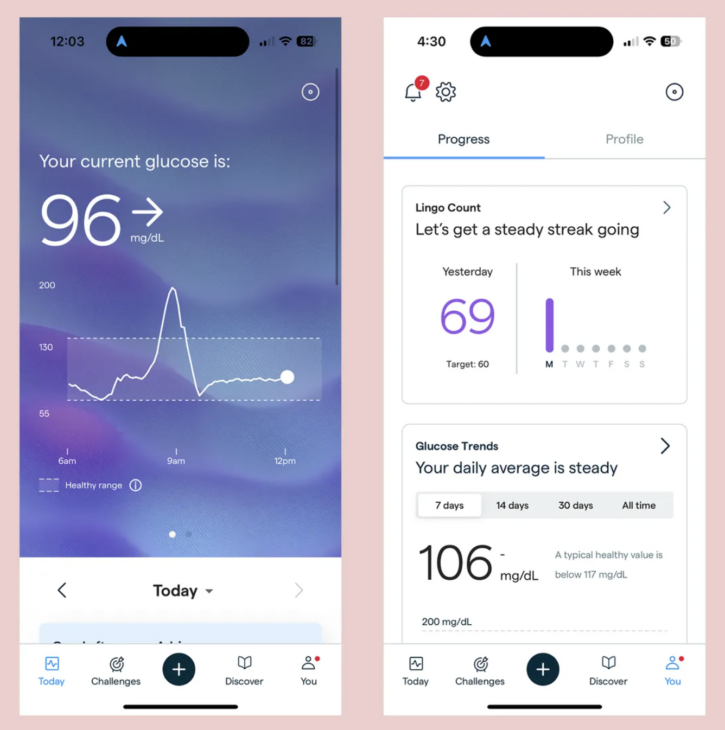
If the Stelo is the gentle behavioral coach, the Abbott Lingo app is the high-performance mechanic. Because the Lingo sensor takes a reading every 60 seconds, the app provides a much more granular, real-time look at your metabolic state.
The Lingo app translates your glucose spikes into weekly insights, offering a deeper dive into your “Time in Range” (the percentage of the day your blood sugar stays in a healthy zone). It also seamlessly syncs with Apple Health. This is a massive feature for iPhone users, as it allows your glucose data to sit side-by-side with your Apple Watch workouts, step counts, and cycle tracking.
The only downside to the Lingo app is its upper limit. Because it is an over-the-counter wellness device rather than a prescription diagnostic tool, the app stops charting extreme glucose spikes above 200 mg/dL. If your blood sugar is going that high, you need a doctor, not a biohacking app.
The Cost of Biohacking: Pricing it Out
If you are wondering how much it costs to turn yourself into a walking science experiment, the good news is that over-the-counter availability has finally forced prices down. You are no longer paying thousands of dollars for clinical medical equipment.
Both companies operate on a very similar pay-as-you-go or subscription model. Because these devices are FSA and HSA eligible, you might actually be able to use your pre-tax health savings to cover the cost. Here is what you can expect to pay at checkout:
| OTC Sensor System | Short-Term Trial Cost | Monthly Subscription Cost | What You Get for a Month |
| Abbott Lingo | $49 (One 14-day sensor) | $89 per month | Two sensors (28 days of tracking) |
| Dexcom Stelo | $99 (Two 15-day sensors) | $89 per month | Two sensors (30 days of tracking) |
If you just want to test how your body reacts to your standard diet for a couple of weeks, the $49 Abbott Lingo single sensor is the cheapest entry ticket into the biohacking world.
Quick App Comparison
To help you decide which ecosystem to invest in, here is a quick breakdown of how the two leading OTC mobile apps stack up:
| Feature | Dexcom Stelo App | Abbott Lingo App |
| Reading Frequency | Every 15 minutes | Every 1 minute |
| Wear Time | 15 Days | 14 Days |
| Best Integration | Native Oura Ring integration | Direct Apple Health syncing |
| App Vibe | Simplified, diary-based coaching | Granular, real-time data tracking |
| Target Audience | Beginners to glucose tracking | Athletes and data-driven biohackers |
The Bottom Line on Biohacking
Strapping a medical sensor to your arm to see what a banana does to your body sounds like science fiction, but it is one of the most proactive health decisions you can make in 2026.
My biggest piece of advice before downloading either of these apps is to remember that a glucose spike is a completely normal human bodily function. The goal of these apps is not to flatline your blood sugar—that is called being dead. The goal is to avoid the massive, prolonged spikes that cause inflammation, fatigue, and weight gain.
Whether you choose the Stelo to seamlessly pair with your smart ring or the Lingo to feed your Apple Health dashboard, these apps offer a fascinating window into your unique biology. Pick a platform, scan your arm, and finally figure out exactly why you are always tired at 2:00 PM.